
Boston, MA · Suffolk County
Energy Audits & HERS Ratings in Boston, MA
Find out where your Boston home loses energy with blower door tests, thermal imaging and a written report from certified raters.
Why BCI Group
Know exactly where your Boston home loses energy
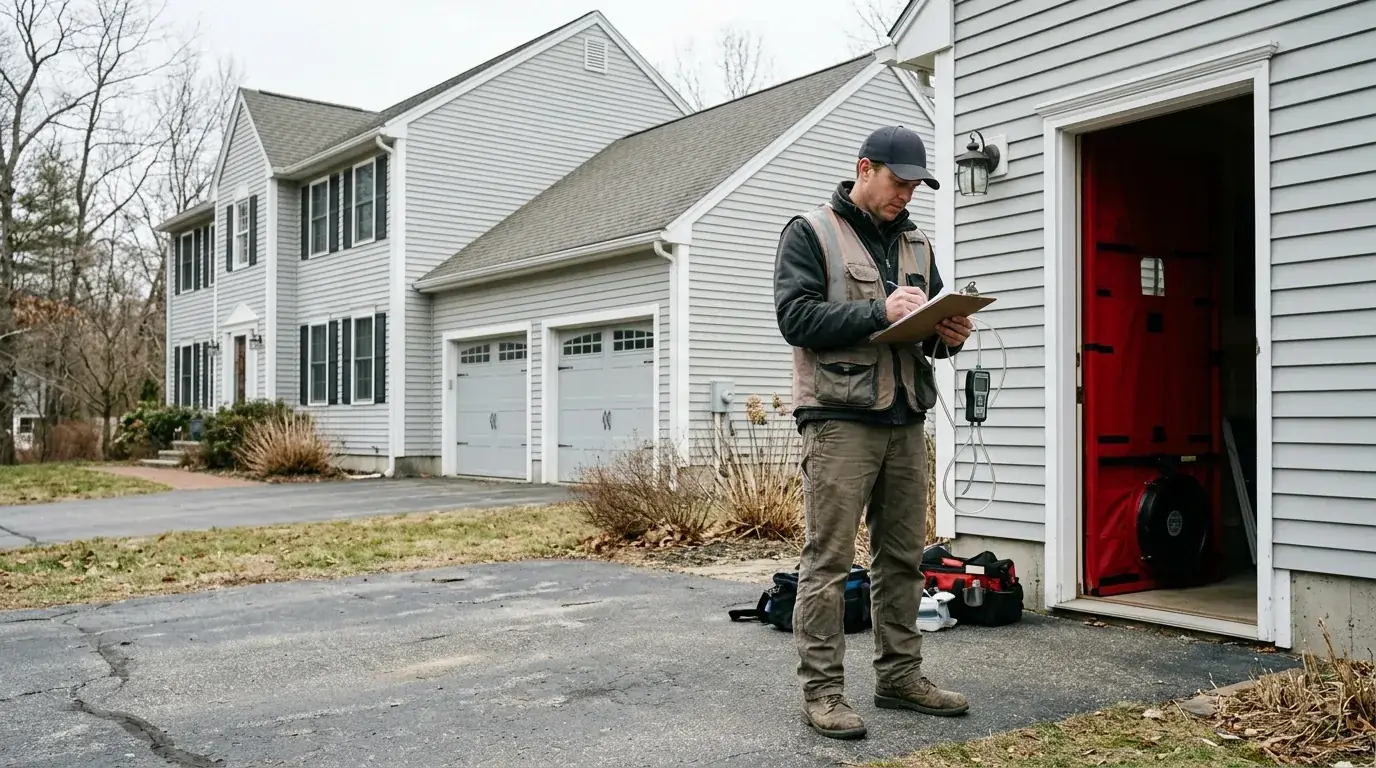
Guessing where a home loses energy wastes money. A blower door test measures how leaky the building is, and thermal imaging shows where the leaks are, so every dollar you spend on upgrades in Boston goes where it counts.
For multifamily buildings, we test and rate units and help owners see where heat is lost between them.
From our base in Westborough, Boston is about 30 miles away, close enough for quick estimates and follow-up visits.
- Plain-language written reports
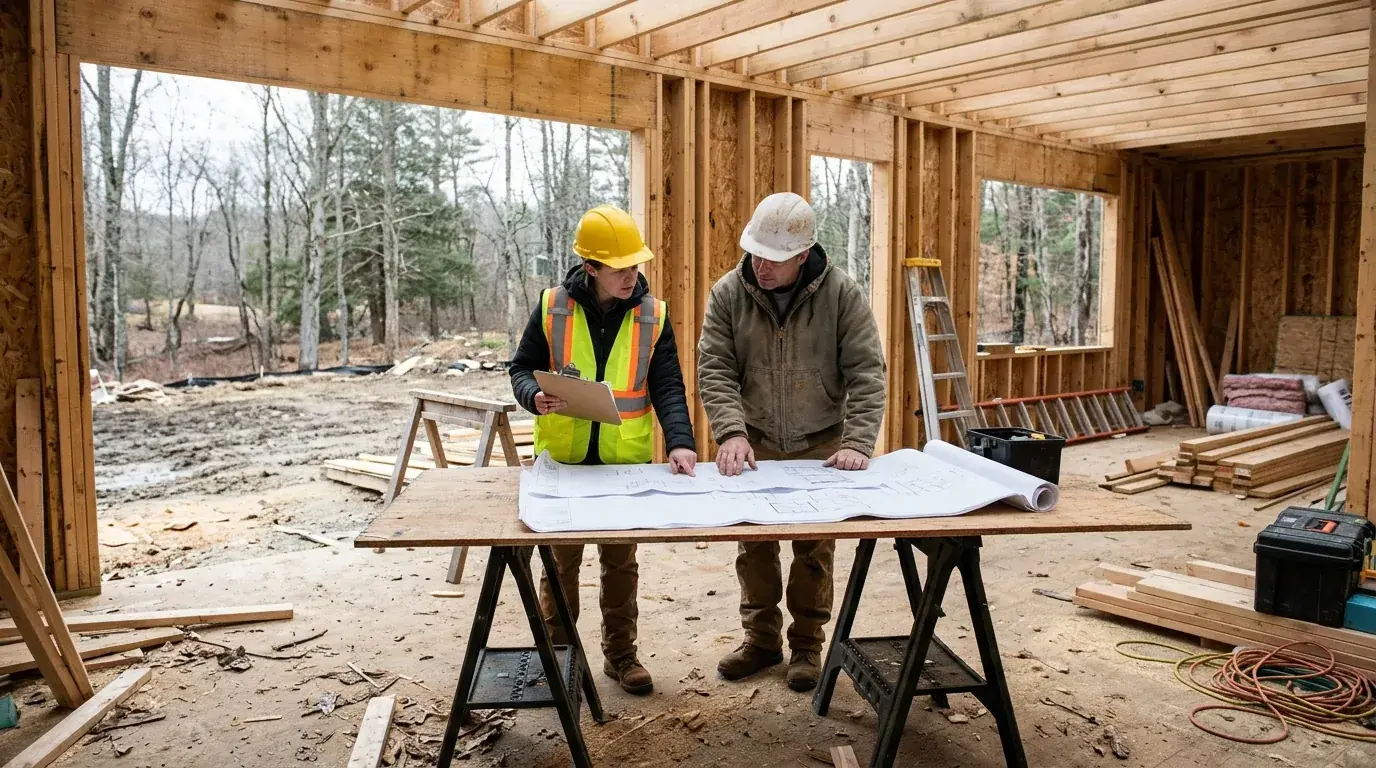
- Energy code compliance for builders
- Thermal imaging to find hidden leaks
- Testing before and after upgrades

Applications
Energy services we provide in Boston
Every service starts with measuring, so recommendations are based on data, not guesses.

Blower door testing
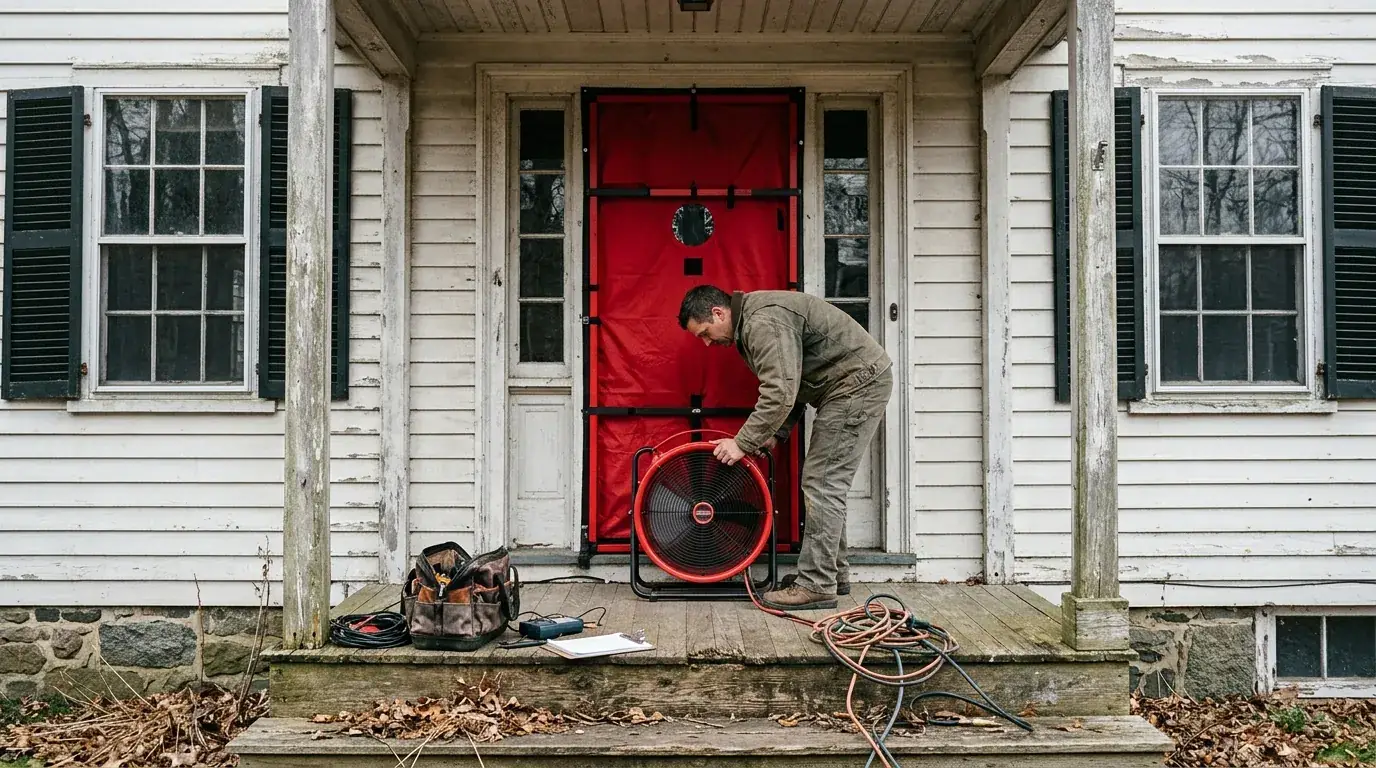
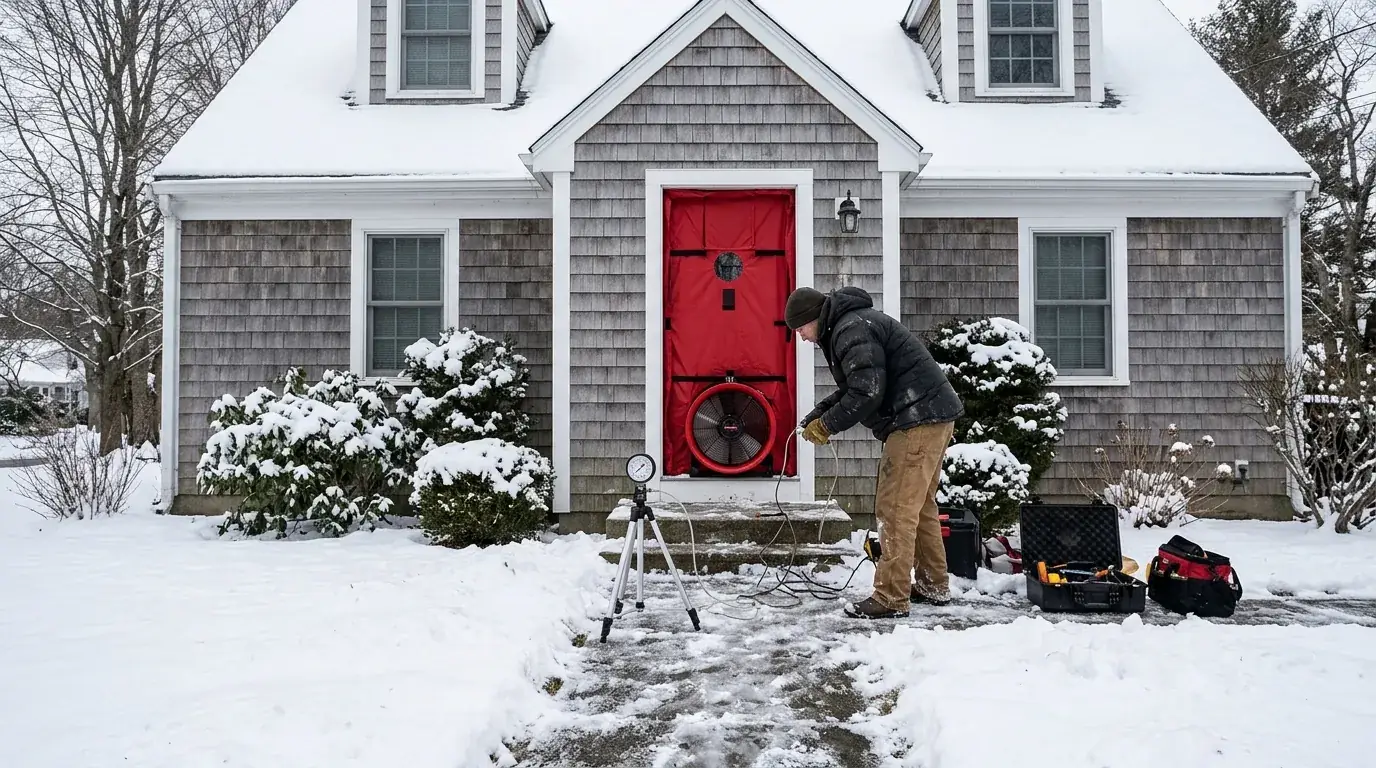
Measures how much air leaks through the building shell.
Thermal imaging
Infrared scans show missing insulation and air leaks.
Home energy assessments
A whole-home review with a prioritized upgrade plan.Local homes
What Boston homes need
Boston's housing runs from 19th-century brick row houses and brownstones in the South End and Back Bay to triple-deckers in Dorchester and Roxbury and single-family colonials in West Roxbury and Hyde Park. Many buildings are masonry or balloon-framed, with empty wall cavities and drafty top floors.
From Charlestown and the North End to Jamaica Plain, Roslindale and Dorchester, many Boston homes share walls with their neighbors, so most heat escapes through roofs, top-floor ceilings and basements rather than side walls. Harbor wind makes air leaks around old window frames and roof edges more noticeable in exposed neighborhoods like East Boston and South Boston.
Suffolk County is the most densely built county in Massachusetts, and its attached and closely spaced buildings lose most of their heat through roofs, top floors and basements.
Boston at a glance
- Region
- Greater Boston
- County
- Suffolk County
- Climate zone
- 5A
- From our Westborough office
- About 30 miles
- Efficiency program
- Mass Save®

Recommended plan
An energy assessment plan for Boston two- and three-family homes
Test each unit
Blower door tests show which units leak the most.
Scan the shell
Thermal imaging finds leaks between units and at the roof.
Prioritize upgrades
We rank upgrades by cost and impact.
Re-test
Testing after the work confirms the results.
In older homes, a blower door test shows exactly where air leaks, so upgrades go where they matter most.
Climate, code & rebates
Insulation targets and incentives in Boston
Climate & code
Climate zone 5A targets
Boston is in IECC climate zone 5A. For attics in zones 5 and 6, ENERGY STAR recommends R-49 to R-60, and many existing homes here have far less. New construction and major renovations in Massachusetts follow the state energy code, and many towns have adopted the stricter Stretch or Specialized codes.

Incentives
Mass Save® in Massachusetts
Mass Save® offers a no-cost assessment and incentives for approved insulation and air sealing, with enhanced incentives for income-eligible households. We confirm what applies to your home before work starts.
About Mass Save® →How it works
How an energy assessment works in Boston
- 01
Walkthrough
We look at the home and listen to your concerns.
- 02
Measure
Testing shows how the home performs.
- 03
Explain
We go over the results in plain language.
- 04
Recommend
You get upgrades ranked by payback.
Pricing
How we price energy services in Boston
We explain the scope and price clearly before any testing begins.
- Mass Save® eligibility
- New construction or existing home
- Number of units
- Size and type of the home
- Re-testing after upgrades
Our work
Testing and ratings like the ones we do in Boston


FAQ
Energy Audits & HERS questions in Boston, MA
Is a home energy assessment free?
Eligible Massachusetts customers can get a no-cost Mass Save® Home Energy Assessment. Other testing is quoted by project.
What does thermal imaging show?
Temperature differences that reveal missing insulation, air leaks and sometimes moisture.
What is a HERS rating in Boston?
A Home Energy Rating System score that measures a home's energy performance. Lower is better, and many new homes in Massachusetts use it to show code compliance.
What is a blower door test?
A fan mounted in an exterior door depressurizes the building to measure how much air leaks through the shell.
How long does an assessment take?
Most homes take two to three hours on site.
What is duct leakage testing?
A test that measures air leaking from heating and cooling ducts, often required for new homes.
How soon can you start a energy assessment in Boston?
Our crews travel about 30 miles from Westborough, MA to Boston, and we group estimates and jobs by area. You'll get a start date with your written quote.
Do you also work in towns near Boston?
Yes. Besides Boston, we serve nearby communities such as Cambridge, Somerville and Newton, along with the rest of Suffolk County.
Nearby
More from BCI Group in Suffolk County and beyond
Free estimate · No commitment
Stop overpaying for energy.
Fill out the form or reach us directly — we respond within one business day.
10+ Years
Serving New England
HERS Certified
In-house ratings
Mass Save®
Rebates handled
5 States
MA · NH · RI · CT · ME