Key takeaways
- Nonprofits in Massachusetts can access Mass Save® incentives through programs for businesses and organizations.
- Insulation, air sealing, lighting, controls and heat pumps are common eligible upgrades.
- Incentives can cover a large share of eligible costs, often up to 100%, which protects tight budgets.
- Lower operating costs and more comfortable spaces support staff, volunteers and the people you serve.
The hidden cost of an old building
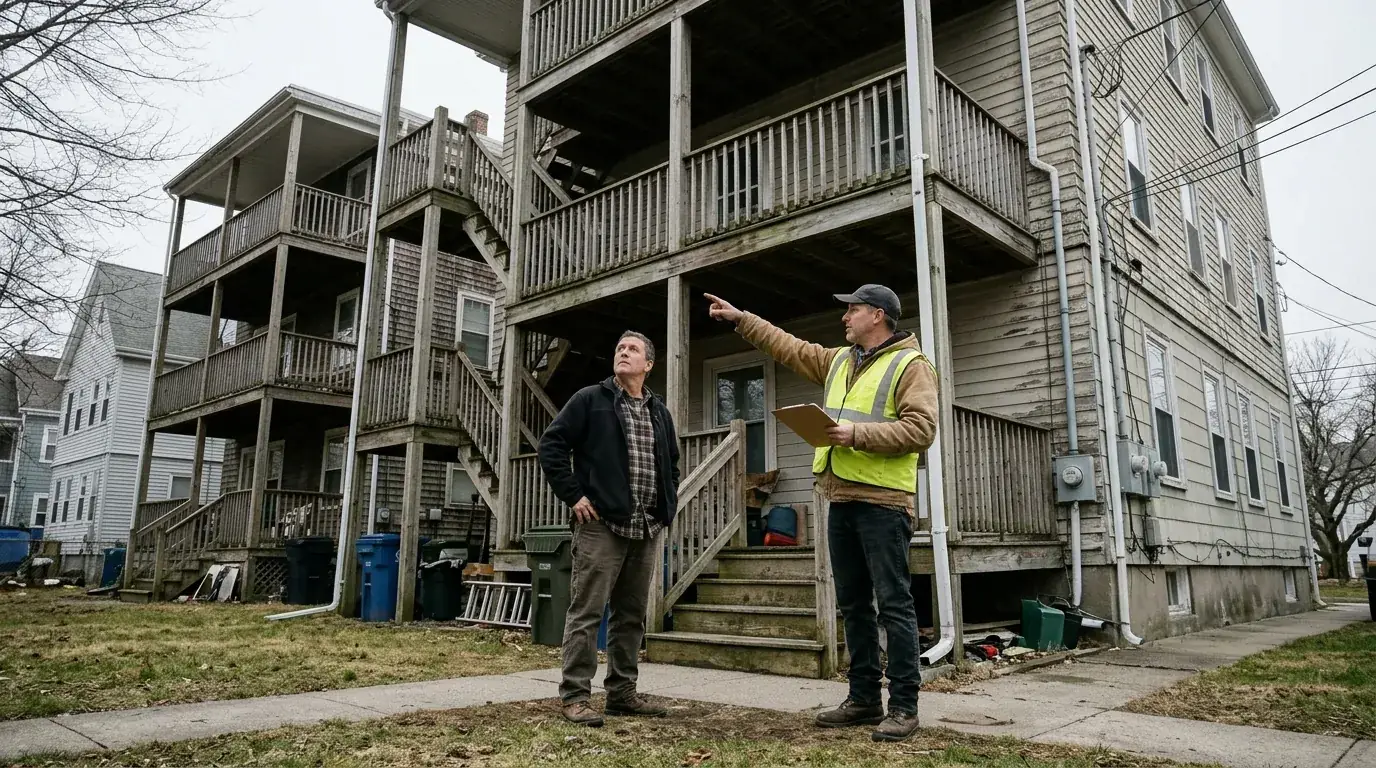
Many Massachusetts nonprofits work out of buildings they did not design: former schools, churches, mills, Victorian houses and storefronts. These buildings carry history and character, and also drafty windows, uninsulated attics and heating systems that run all winter. Energy becomes one of the largest fixed costs after payroll and rent, and it competes directly with programs.
How Mass Save® applies to nonprofits
Nonprofit organizations that are customers of the Mass Save® sponsors (Berkshire Gas, Cape Light Compact, Eversource, Liberty, National Grid and Unitil) generally use the programs for businesses and organizations. Those programs offer:
- A no-cost energy assessment of the building.
- Incentives for insulation and air sealing.
- Incentives for LED lighting and controls.
- Incentives for efficient heating, cooling and heat pumps.
For many eligible measures, the incentive covers a large share of the cost, often up to 100%. That means real savings without a capital campaign.
Upgrades that usually pay off first
| Upgrade | Typical benefit |
|---|---|
| Attic and roof insulation | Stops the largest heat loss in most older buildings |
| Air sealing | Fewer drafts at doors, windows, ceilings and foundations |
| Basement and rim joist insulation | Warmer first floors and fewer frozen pipes |
| LED lighting and controls | Lower electric bills, better light in program spaces |
| Programmable heating controls | Heat only the hours and rooms you use |
Making it easy for a small team
Most nonprofits do not have a facilities department. Our approach is built for that reality:
- We visit the building and walk it with whoever knows it best.
- We prepare a written proposal that shows the incentive and any remaining cost for each measure, ready for a board or finance committee.
- Our own crews do the work, scheduled around programs, clients and events.
- We handle the incentive paperwork.
A written proposal with the net cost of each measure makes approval simple. Many organizations start with the measures covered in full, then plan the rest.
Comfort is part of the mission
Warm, quiet, well-lit spaces matter for the people nonprofits serve: children in after-school programs, seniors at meal sites, families at food pantries, people in recovery. Air sealing and insulation fix the cold corners and drafty halls that make a space feel neglected.
Typical nonprofit buildings we see
| Building | Common challenge | Where to start |
|---|---|---|
| Converted Victorian house | Drafty walls, old attic | Attic air sealing, dense-pack walls |
| Former school | Large roofs, old windows | Roof and attic insulation, controls |
| Storefront or mixed-use | Shared walls, flat roof | Roof insulation, air sealing at storefront |
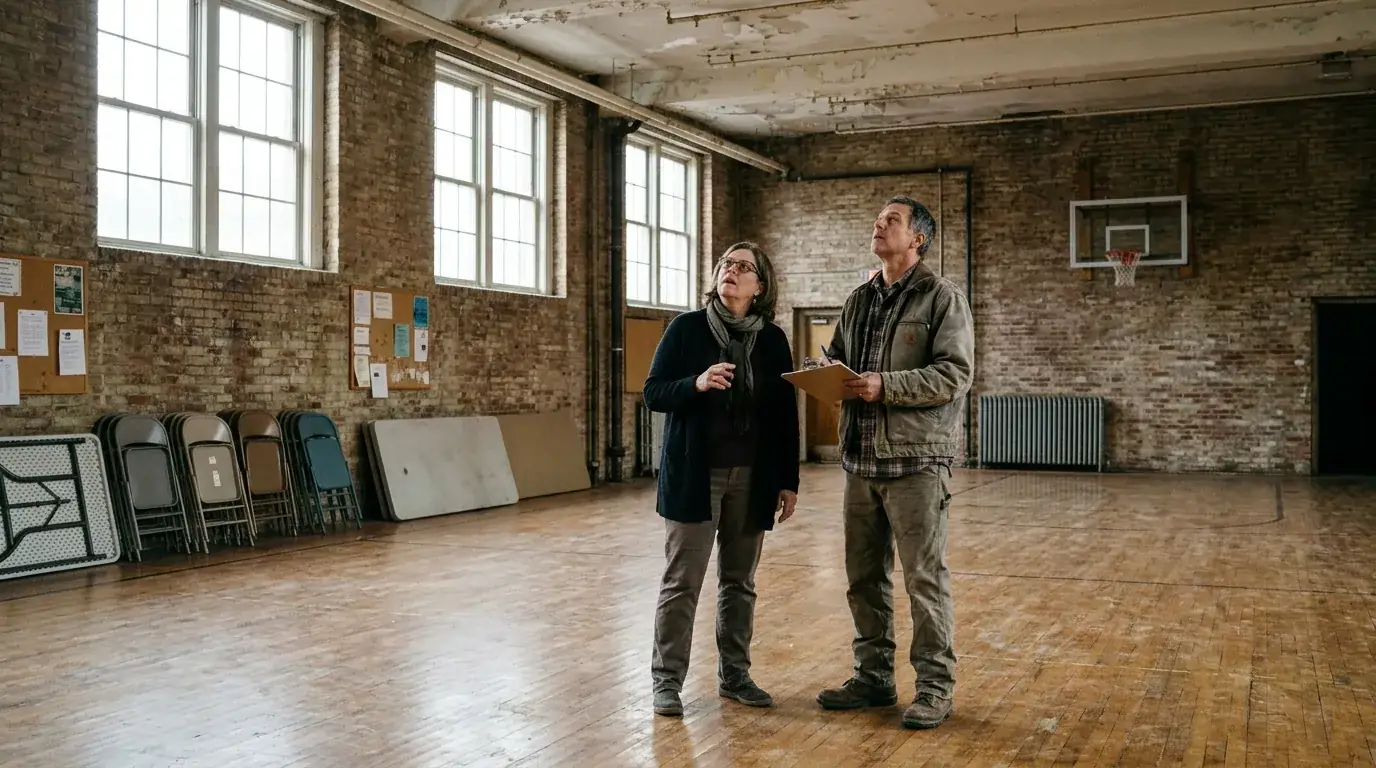
| Community center | Large halls, long hours | Lighting, controls, air sealing |
| Church-owned buildings | Same as churches | See our church guide |
Leased vs. owned buildings
- Owned buildings: you can approve envelope work like insulation and air sealing directly.
- Leased buildings: envelope work needs the landlord's approval. Lighting and controls may still be possible. Sharing the incentive information with the landlord often helps, because the building's value improves.
Building the case for your board
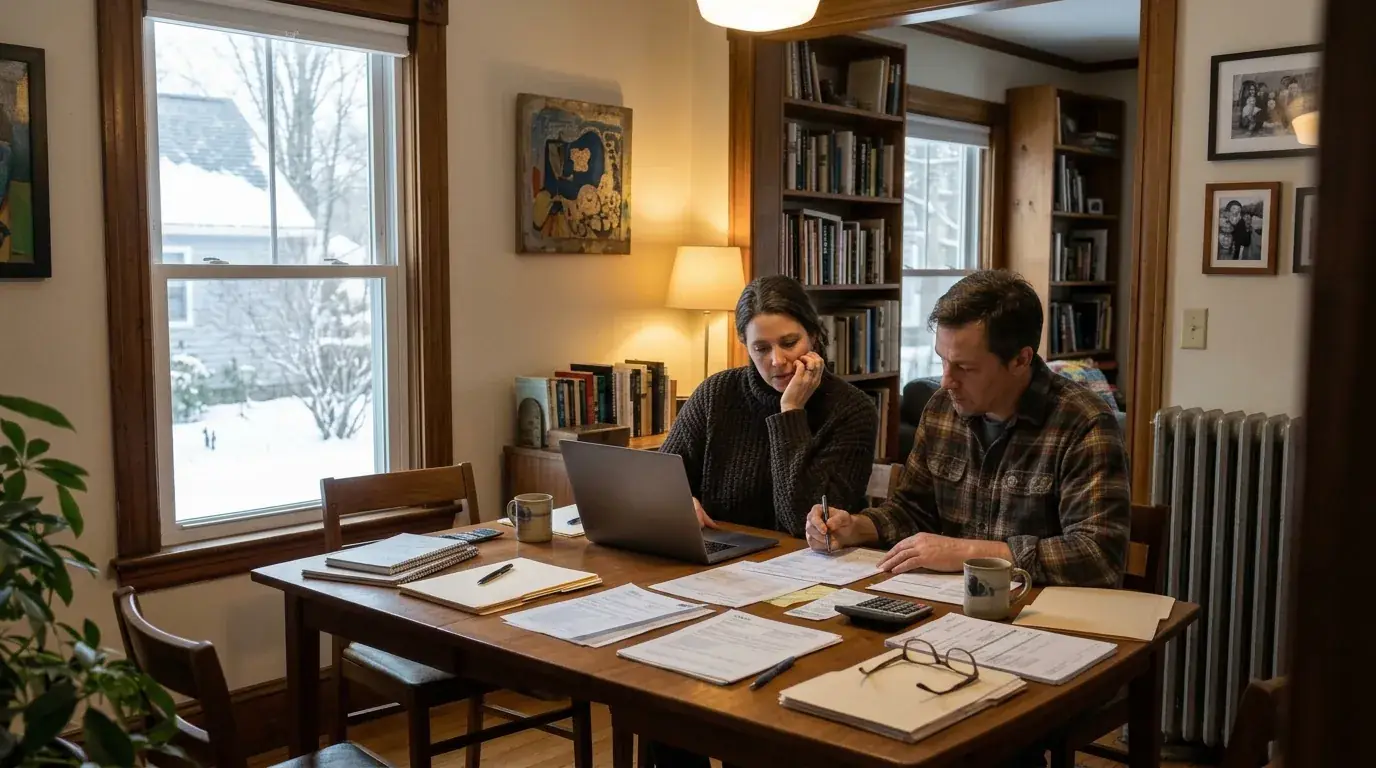
Boards respond to clear numbers and low risk. A good proposal shows:
- The current energy spending from your bills.
- The upgrades recommended and why.
- The incentive and net cost for each item.
- How comfort and program spaces will improve.
- A schedule that protects your operations.
Timing around your calendar
Nonprofits have their own rhythms: after-school schedules, meal programs, holiday drives, summer camps. We plan installation around them, often working early in the day or in sections of the building.
Beyond energy savings
- Better spaces for clients: warm, quiet rooms in winter and cooler rooms in summer.
- Fewer emergencies: less risk of frozen pipes and ice dam leaks.
- Stewardship: a building that costs less to run is easier to sustain for the next generation of the organization.
- Mission alignment: many organizations value reducing their environmental footprint.
Next steps
See our nonprofits page for more about BCI Pro Energy's work with organizations, or read how the same approach helps churches. Call (774) 278-8256 to schedule a no-cost assessment. We work with nonprofits across Boston, Cambridge, Worcester, the North Shore and the South Coast.
Frequently asked questions
Can a nonprofit qualify for Mass Save® incentives?
Yes. Nonprofits that are customers of the sponsoring utilities can qualify through Mass Save® programs for businesses and organizations.
Do we need to own the building?
Owners can approve building improvements directly. Tenants usually need the owner’s permission for work on the building, and some measures, like lighting, may still be possible.
How much will it cost the organization?
For many eligible measures the incentive covers a large share, often up to 100%. Your proposal shows the remaining cost of each measure.
Can the work be done while we operate?
Yes. Work is scheduled around programs and events, and most of it is in the attic, basement and mechanical spaces.
Who prepares the paperwork?
BCI Pro Energy handles the assessment, proposal and incentive paperwork.
Services mentioned in this article
Mass Save® for Nonprofits near you in Massachusetts
BCI Group crews work in these communities every week. See local details for nonprofit energy upgrades in your town: