Key takeaways
- Cellulose has a slightly higher R-value per inch than loose fiberglass and resists air flow better.
- Dense-pack cellulose is the standard for insulating existing closed walls.
- Fiberglass does not absorb water and settles less; batts suit open framing.
- Both are treated or inherently fire-resistant when installed correctly.
The materials
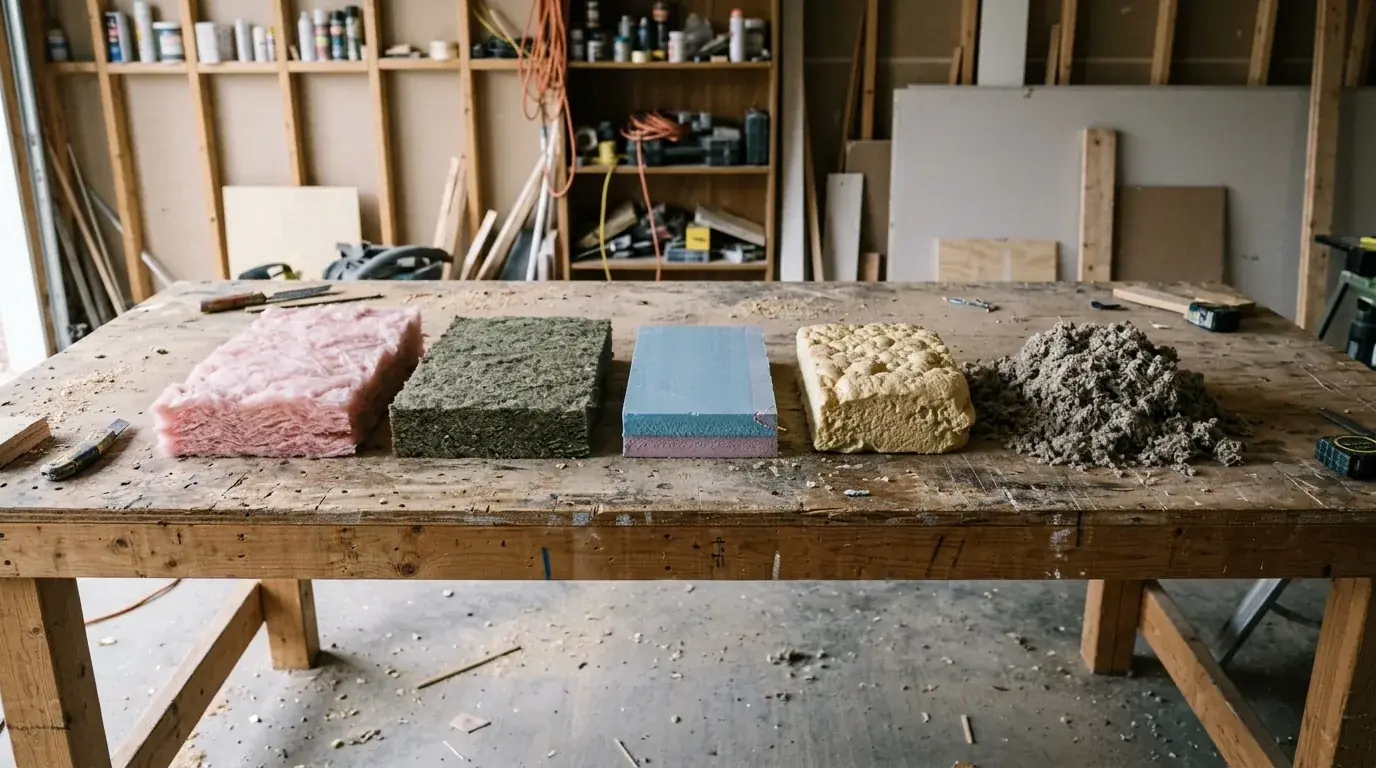
- Cellulose is made mostly from recycled paper, treated with fire retardants (commonly borates). It is blown in as loose-fill or dense-pack.
- Fiberglass is made from spun glass fibers. It comes as batts and rolls or as loose-fill for blowing.
Head to head
| Cellulose | Fiberglass | |
|---|---|---|
| R-value per inch (loose) | About R-3.2 to R-3.8 | About R-2.2 to R-2.9 |
| Batts available | No | Yes |
| Air flow resistance | Higher | Lower |
| Dense-pack in closed walls | Yes, the standard | Some products, less common |
| Settling | Loose-fill settles more | Settles less |
| Moisture | Absorbs some, can dry | Does not absorb |
| Fire behavior | Treated with fire retardants | Glass fibers are non-combustible |
| Recycled content | High | Varies |
Where cellulose shines
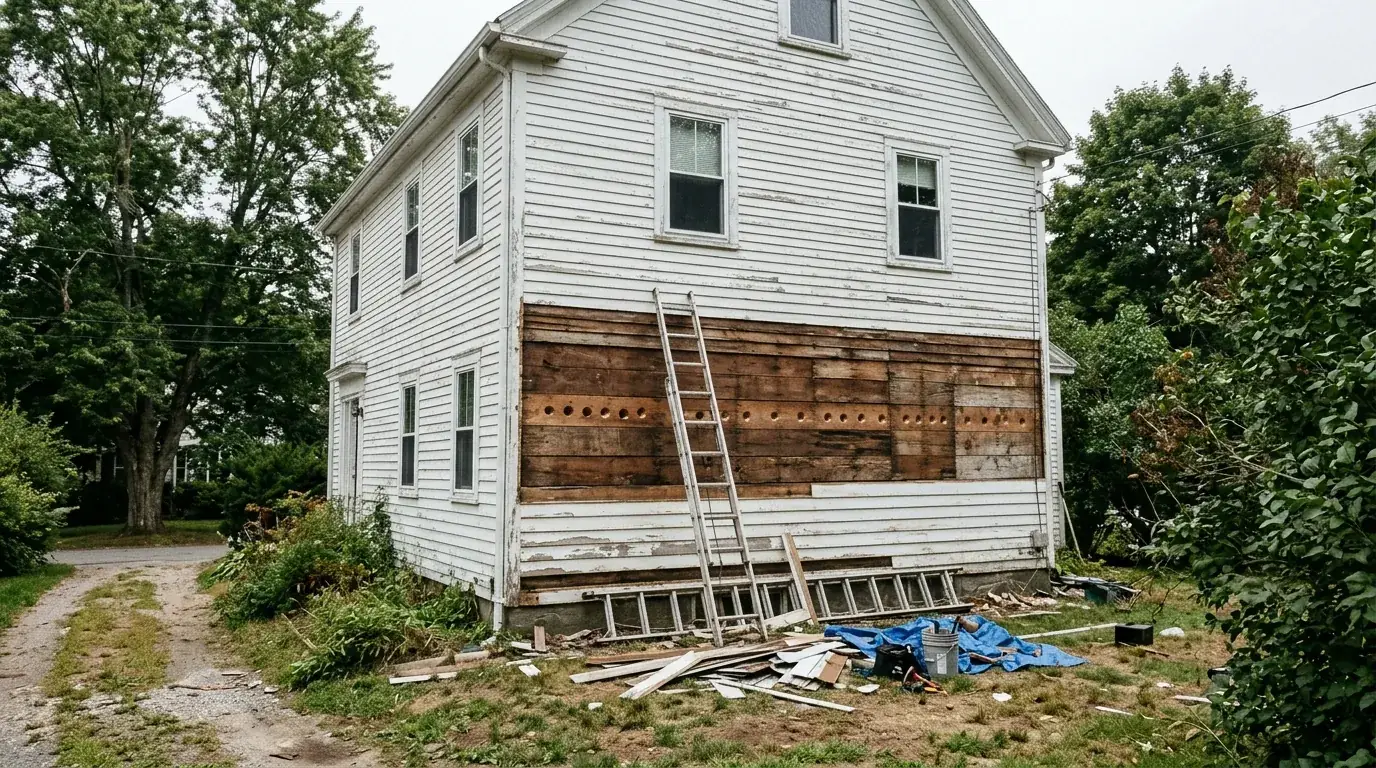
- Existing walls: Dense-pack cellulose is the go-to method for insulating closed walls in older homes, through small holes and without demolition. It fills every void and slows air leaks inside the wall. See dense-pack cellulose.
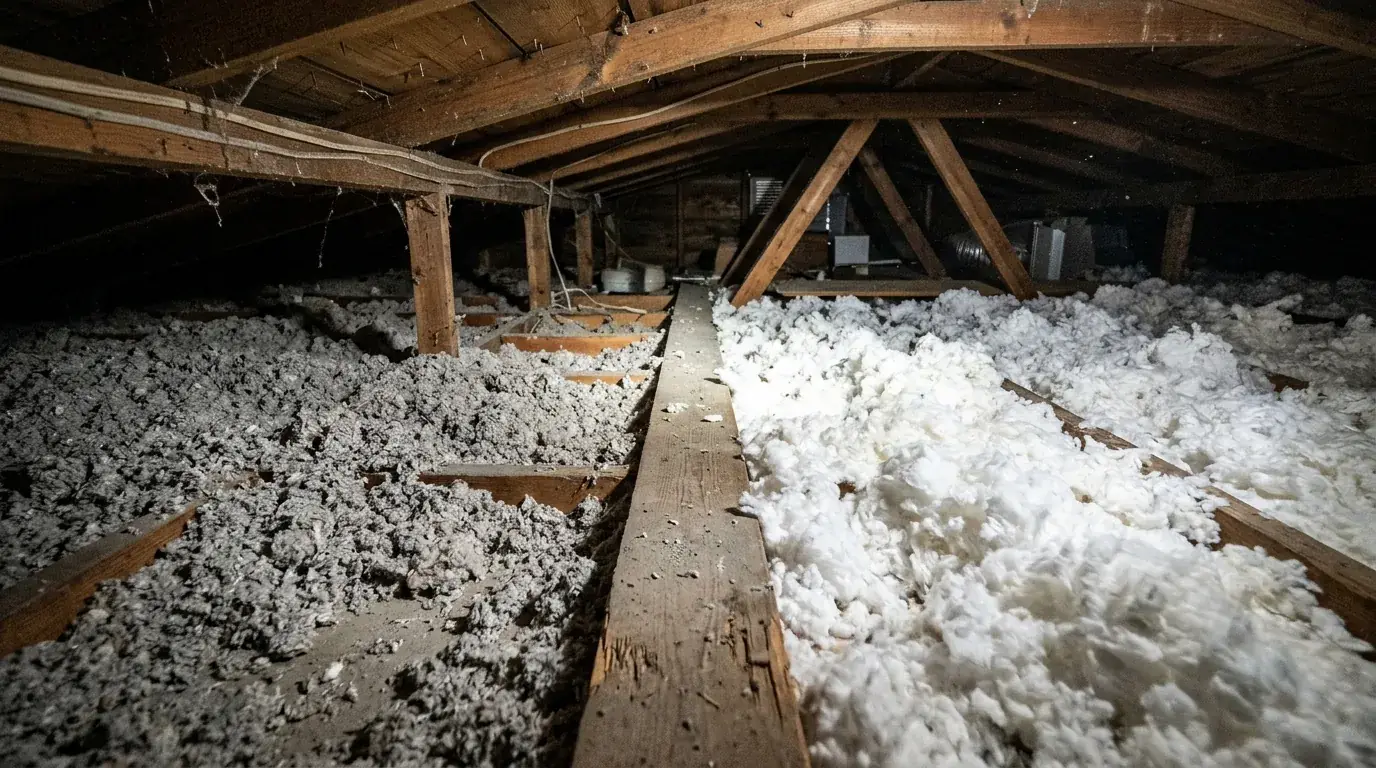
- Attic floors: Blown cellulose covers irregular framing and resists air flow, which helps in cold weather.
- Sloped ceilings and floors over garages: dense-packed into closed cavities.
Where fiberglass shines
- Open framing: Batts are fast and economical in new construction and renovations, when installed carefully and paired with air sealing. See fiberglass batt mistakes.
- Attic floors where a lighter material is preferred or where moisture exposure is a concern.
- Projects where the client prefers non-paper materials.
Common questions
Does cellulose settle?
Loose-fill cellulose settles somewhat after installation; reputable installers blow it deep enough to reach the target R-value after settling, as shown on the bag's coverage chart. Dense-packed cellulose is installed at a density that resists settling.
Is cellulose a fire risk?
Cellulose is treated with fire retardants to meet safety standards. Like any insulation, it must be kept away from heat sources such as chimneys and non-IC-rated light fixtures.
What about moisture?
Neither material should be installed in wet areas. Cellulose can absorb some moisture and dry out again; fiberglass does not absorb water but loses performance when wet. The real answer is to fix moisture sources and air leaks first.
Installation quality and air sealing matter more than the choice between these two materials.
Our recommendation
For most existing Massachusetts homes, we use dense-pack cellulose for walls and blown cellulose or fiberglass for attic floors, always after air sealing. In new construction, fiberglass batts, blown-in-blanket systems or spray foam depending on the goals and budget.
Where each performs better in cold weather
Some field research has suggested that loose-fill fiberglass at low density can lose some effective R-value in very cold attics because of air movement within the insulation, while cellulose, being denser, resists this. Covering loose fiberglass with a denser layer or using higher-density products addresses the issue. Either way, air sealing below the insulation matters most.
Environmental considerations
| Factor | Cellulose | Fiberglass |
|---|---|---|
| Recycled content | Very high (paper) | Varies (recycled glass) |
| Embodied energy | Generally low | Higher |
| Dust during install | More | Less |
| Fire treatment | Borates and other retardants | Inherently non-combustible fibers |
Pests and borates
Borate treatment in cellulose is also known for deterring some insects. That does not make cellulose a pest control product, but it is one reason cellulose is popular in older New England homes.
Mixing materials in one attic
It is common to add cellulose over old fiberglass or fiberglass over old cellulose. What matters is that the old material is dry and clean, that air sealing is done first and that the final depth reaches the target R-value.
What we hear from homeowners
Homeowners who choose cellulose often mention its recycled content and air-flow resistance. Those who choose fiberglass often prefer a lighter, non-paper material. Both groups end up with warm, efficient attics when the installation is done right.
Talk to us
BCI Group installs cellulose and fiberglass with our own crews. Call (774) 278-8256 or request a free estimate.
Frequently asked questions
Is cellulose better than fiberglass for attics?
Both work well. Cellulose has a slightly higher R-value per inch and resists air movement better; fiberglass settles less and does not absorb water.
Which is better for existing walls?
Dense-pack cellulose is the standard for insulating closed walls in older homes.
Can I put cellulose on top of fiberglass?
Yes. New cellulose is commonly blown over existing fiberglass after air sealing.
Is cellulose safe?
It is treated with fire retardants and is widely used. Keep it away from heat sources as required by code.
Which costs more?
Costs are similar for loose-fill attic work. Dense-pack walls and batts in open framing are priced differently because the labor differs.
Services mentioned in this article
Blown-In Cellulose near you in Massachusetts
BCI Group crews work in these communities every week. See local details for blown-in cellulose in your town: