Key takeaways
- Pre-weatherization barriers are conditions that make insulation unsafe until they are fixed.
- The most common in Massachusetts are live knob-and-tube wiring, vermiculite insulation, moisture or mold, and combustion safety problems.
- Some Mass Save® paths offer help with the cost of certain barriers.
- Fixing a barrier usually unlocks the full insulation incentive afterwards.
What is a pre-weatherization barrier?
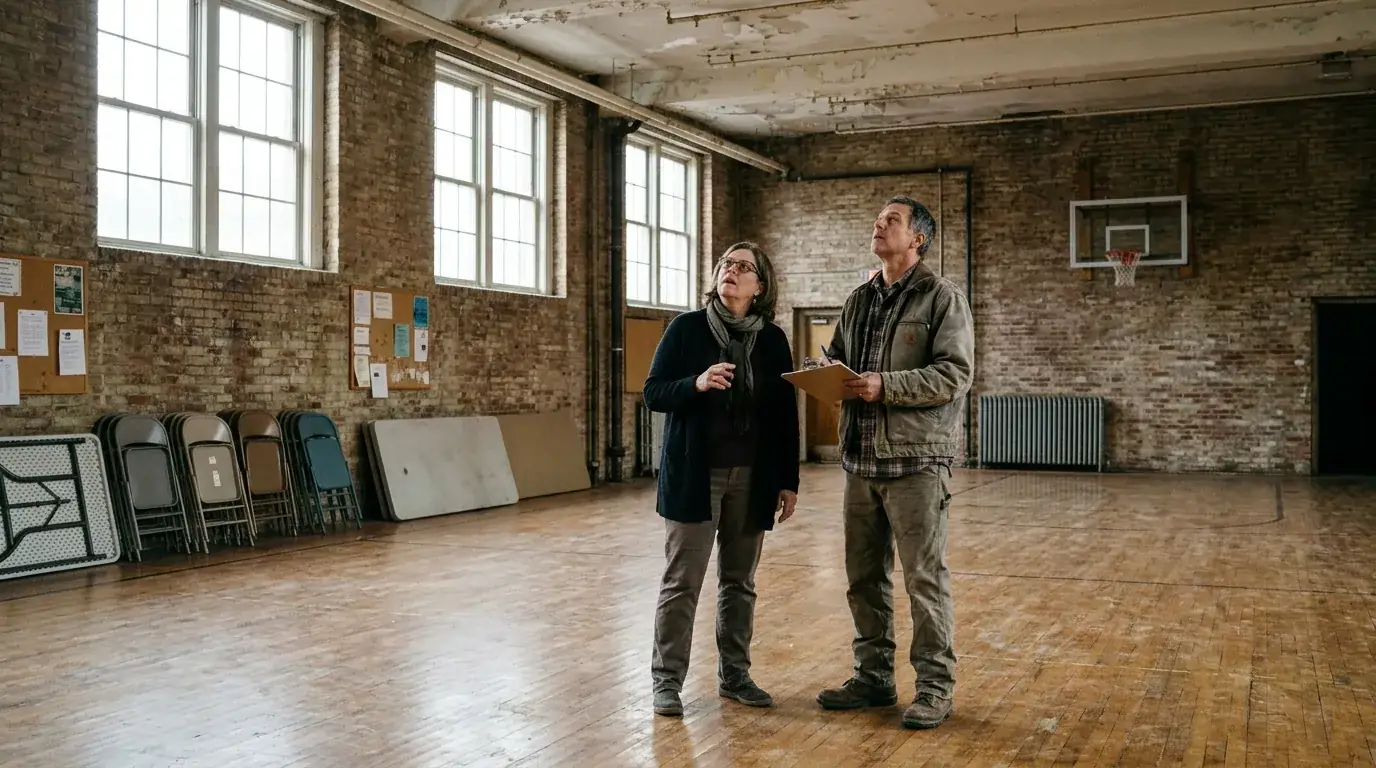
During a Home Energy Assessment, the energy specialist looks for conditions that would make insulation unsafe or ineffective. If one is found, insulation in that area is put on hold until the problem is fixed. These conditions are called pre-weatherization barriers. They are common in Massachusetts because so much of our housing was built before 1950.
Knob-and-tube wiring
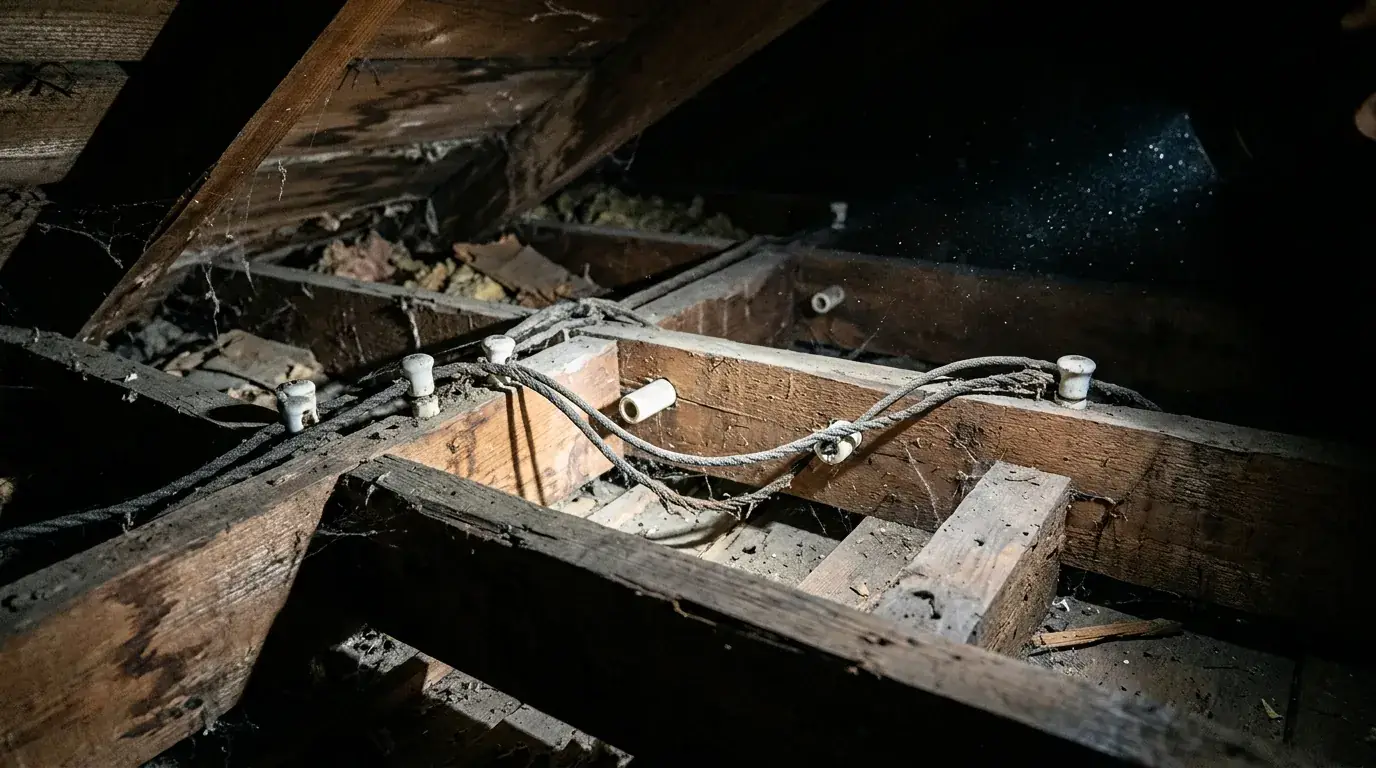
Knob-and-tube was the standard electrical system in homes built roughly from the 1880s to the 1930s. The wires run through ceramic knobs and tubes and were designed to shed heat into open air. Burying live knob-and-tube in insulation can trap that heat, and Massachusetts electrical rules restrict insulating around it.
What to do: have a licensed electrician check whether the wiring is still live. Inactive wiring that has been disconnected can be documented and is no longer a barrier. Live circuits generally need to be replaced in the areas to be insulated. Some programs offer partial help with the cost. Once the area is cleared, the insulation work can proceed.
Vermiculite insulation
Vermiculite is a pebble-like, gray-brown or silvery loose fill found in many attics. A large share of the vermiculite sold in the United States came from a mine that was contaminated with asbestos. Because of that, it should not be disturbed until it is tested or handled as if it contains asbestos. Our vermiculite guide explains the options in detail.
Moisture, mold and roof leaks
Insulating over wet wood or active mold traps the problem and hides it. Common sources are roof leaks, bathroom fans that vent into the attic and kitchen or dryer vents that end in the attic. These must be fixed first, usually by repairing the roof and venting fans properly to the outside. Learn more in our guide to attic mold.
Combustion safety
Air sealing makes a house tighter, which changes how air moves. If a boiler, furnace or water heater does not vent properly, a tighter house can make the problem worse. The energy specialist tests for this, and failing equipment has to be repaired or replaced before air sealing. This protects your family from carbon monoxide.
Other common barriers
- Asbestos on pipes or ducts in work areas.
- Structural problems such as a sagging ceiling.
- Pests or animal infestations in the attic.
- Inaccessible areas that need an access hatch built first.
| Barrier | Who fixes it | After the fix |
|---|---|---|
| Live knob-and-tube | Licensed electrician | Area can be insulated |
| Vermiculite | Testing, then licensed abatement if needed | Attic can be air sealed and insulated |
| Moisture or mold | Roofer, remediation, proper venting | Insulation after the area is dry |
| Combustion safety | Heating contractor | Air sealing can proceed |
A barrier is a delay, not a dead end. Once it is cleared, you can usually return to the original proposal and the full insulation incentive.
How to tell if you have knob-and-tube wiring
Look in the attic and basement for:
- Single, separate wires (not cables) running through white ceramic knobs on the joists.
- Ceramic tubes where wires pass through framing.
- Cloth-covered wires, sometimes with a rubbery coating.
If you see these, the next question is whether they are still connected. Many homes had their wiring updated decades ago but left the old wires in place. An electrician can test and document inactive wiring.
Planning around barriers
| If the barrier is... | Plan |
|---|---|
| Inactive knob-and-tube | Electrician documents it; insulation proceeds |
| Live knob-and-tube in the attic only | Rewire attic circuits; walls may proceed if clear |
| Live knob-and-tube in walls | Rewire before wall insulation; attic may proceed if clear |
| Vermiculite | Licensed evaluation; other areas may proceed |
| Mold or roof leak | Repair and dry; then insulate |
| Combustion safety | Heating contractor repair; then air seal |
Often, part of the house can be insulated while another area waits.
Keeping costs under control
- Get the barrier fixed by the right professional. An electrician for wiring, a roofer for leaks, a licensed abatement contractor for asbestos-containing materials.
- Ask about incentives for specific barriers before starting the repair.
- Combine trips. If an electrician is rewiring the attic, coordinate with the insulation schedule.
Why programs take barriers seriously
Insulation projects change the conditions inside walls and attics. Heat from live knob-and-tube wiring needs to dissipate; moisture from roof leaks needs to dry; and combustion appliances need to vent safely in a tighter house. Fixing barriers first protects both your family and your investment.
After the barrier is cleared
Contact your contractor to reschedule. In most cases, the original proposal can move forward without a new assessment, depending on the program rules and how much time has passed.
How BCI Group helps
We see these conditions every week in older Massachusetts homes. We explain exactly what was found, who needs to fix it and what the insulation will look like afterwards, so you can plan the whole project. Call (774) 278-8256 or read our Mass Save® guide.
Frequently asked questions
Can I insulate around knob-and-tube wiring?
Live knob-and-tube wiring should not be buried in insulation. An electrician must confirm it is inactive or replace it in the areas to be insulated.
Does Mass Save® help pay to fix barriers?
Some program paths offer partial incentives for certain barriers, such as knob-and-tube remediation. Ask during your assessment.
How do I know if my attic has vermiculite?
Vermiculite looks like small gray-brown or silvery pebbles. If you see it, do not disturb it and ask for testing or professional advice.
Why does combustion safety matter for insulation?
Air sealing tightens the house. Heating equipment that does not vent properly can create a carbon monoxide risk in a tighter home, so it must be fixed first.
Will I lose my rebate if a barrier is found?
Usually not. Once the barrier is resolved, the insulation project can go forward under the program rules in effect.
Services mentioned in this article
Mass Save® Upgrades near you in Massachusetts
BCI Group crews work in these communities every week. See local details for Mass Save® in your town: