Key takeaways
- Blown-in insulation is loose material blown through a hose into attics and wall cavities.
- The two main types are cellulose (recycled paper) and fiberglass.
- Loose-fill is used on open attic floors; dense-pack fills closed wall cavities tightly.
- It fills around wires, pipes and framing better than batts and installs quickly.
What blown-in insulation is
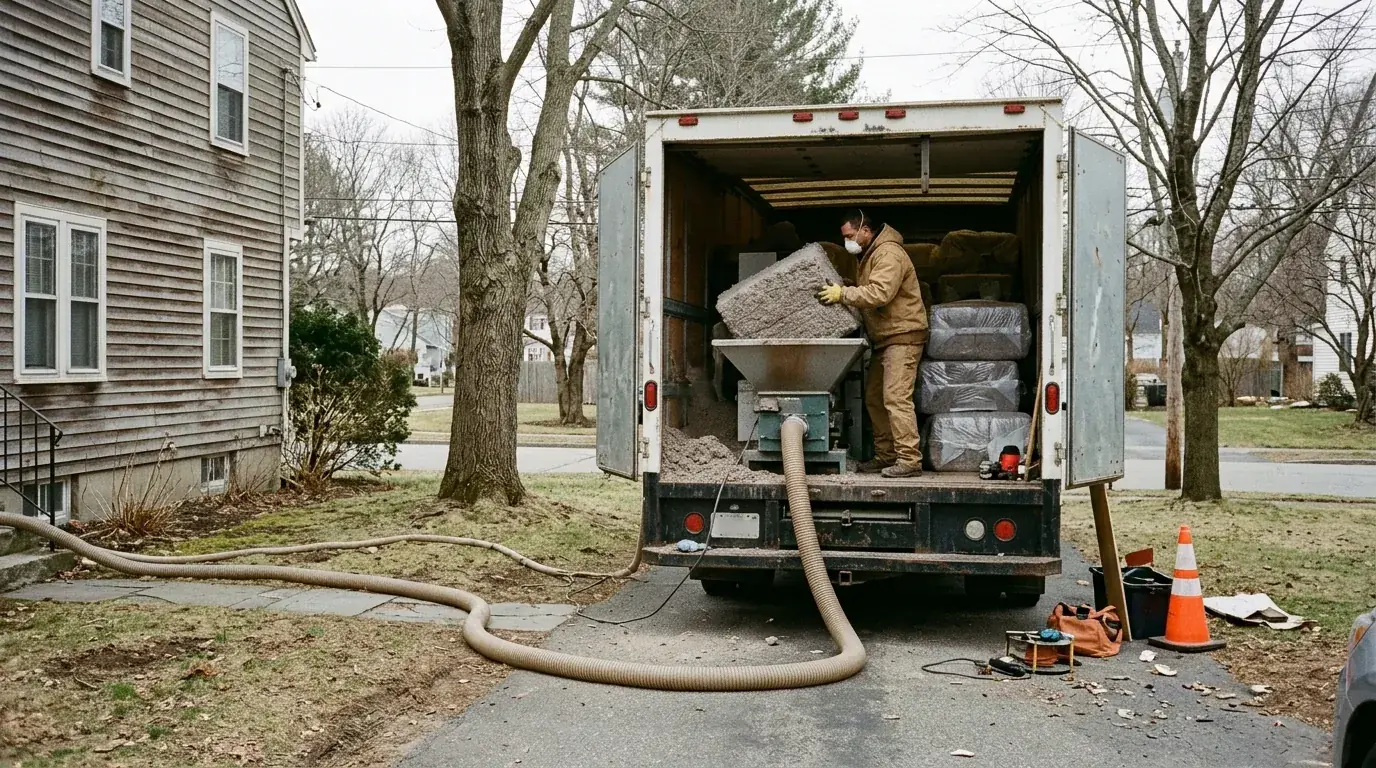
Blown-in (or loose-fill) insulation is made of small pieces of fiber that are blown into place by a machine. The machine sits in a truck outside, and a long hose carries the material into the attic or wall. Because it flows into place, it fills around wires, pipes, junction boxes and irregular framing, which batts cannot do well.
The two main types
| Cellulose | Fiberglass | |
|---|---|---|
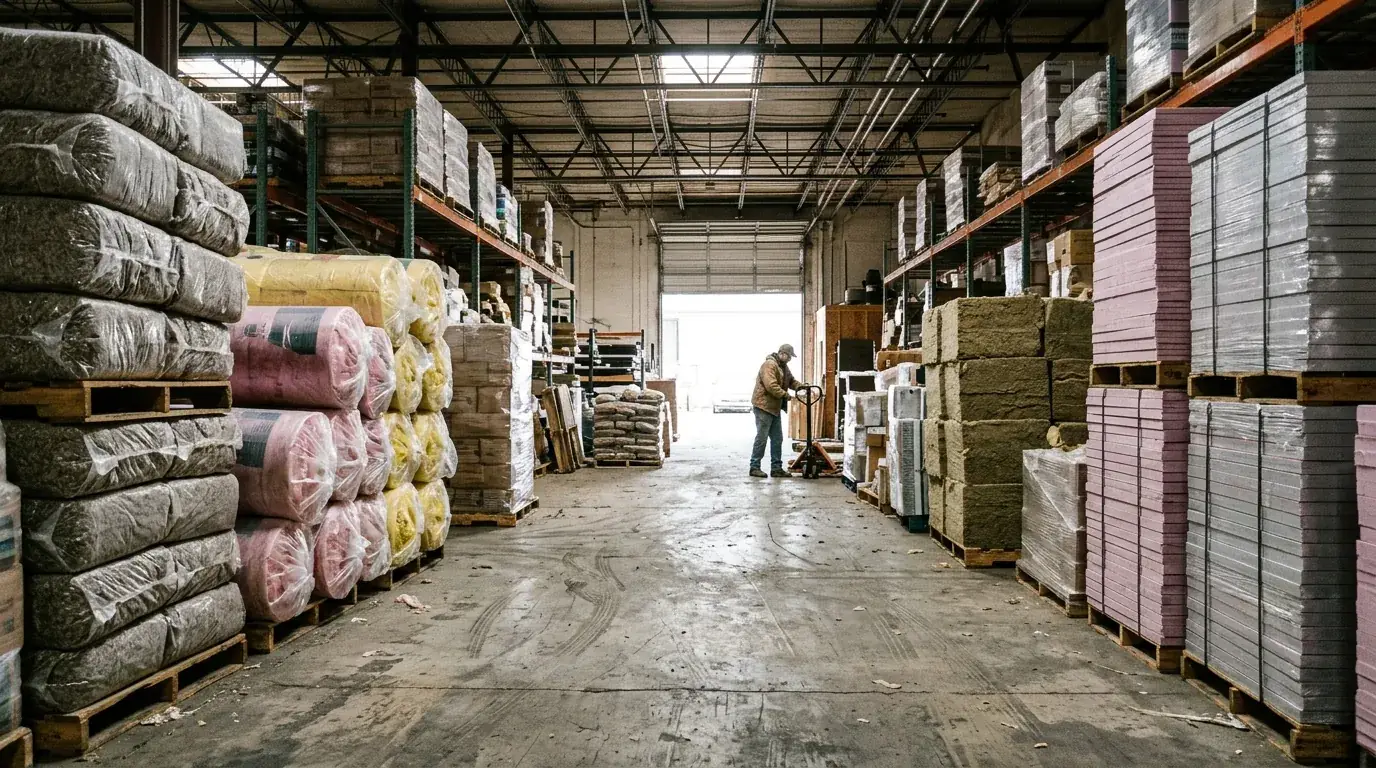
| Made from | Recycled paper treated with fire retardants | Glass fibers |
| R-value per inch (loose) | About R-3.2 to R-3.8 | About R-2.2 to R-2.9 |
| Air flow resistance | Better, especially dense-packed | Lower |
| Settling | Settles somewhat; installers add extra depth | Settles less |
| Moisture | Absorbs some moisture, dries out | Does not absorb water |
| Typical use | Attics, dense-pack walls | Attics |
Values vary by product. See cellulose vs. fiberglass for a deeper comparison.
Loose-fill vs. dense-pack
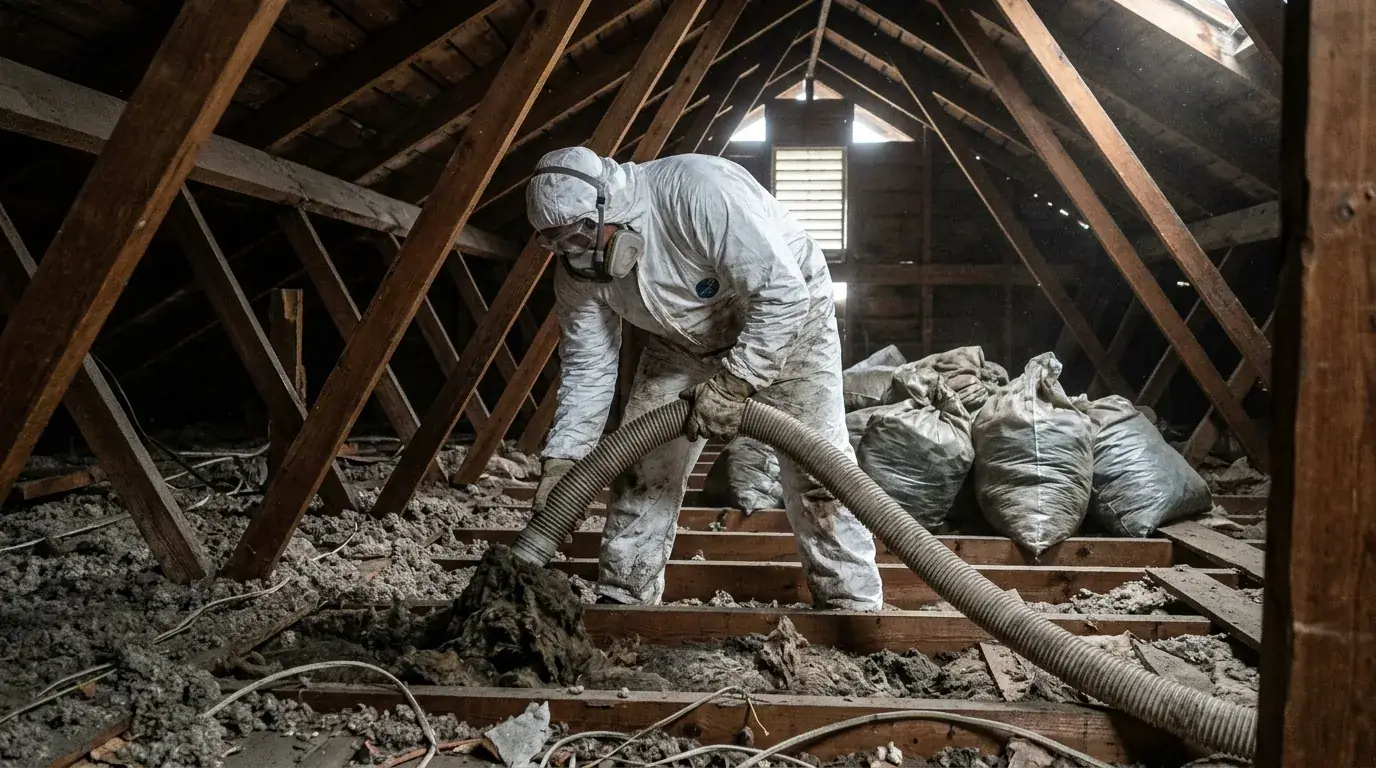
- Loose-fill is blown across an open attic floor to a specified depth. It is fast and economical. Insulation companies install depth rulers so you can verify it.
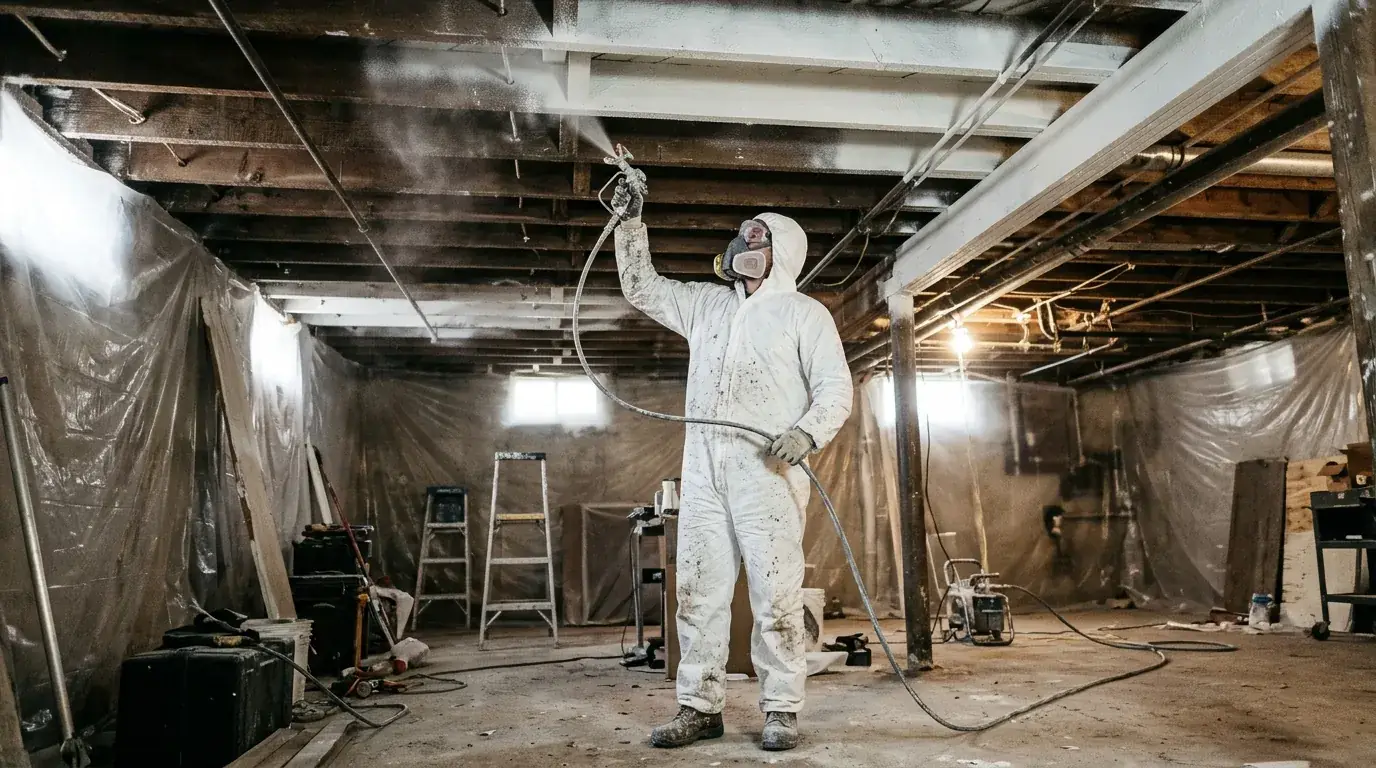
- Dense-pack is cellulose blown at high density into closed cavities like existing walls, sloped ceilings and floors over garages. The high density fills every void, resists settling and slows air movement. See dense-pack cellulose walls.
Where blown-in insulation is used
- Attic floors: the most common use. See how much attic insulation you need.
- Existing exterior walls: dense-pack through small holes, without tearing out plaster.
- Floors over garages and porches: dense-packed between the joists.
- Sloped ceilings in capes: dense-packed from the top or bottom.
- New construction walls: with netting or a blown-in-blanket system.
Why air sealing still comes first
Loose-fill insulation slows heat, but air can move through it. Before blowing insulation on an attic floor, the leaks should be sealed. See air sealing before insulation.
Look for the R-value and minimum settled thickness on the contractor's certificate and the bag label. Coverage charts tell installers how much material reaches each R-value.
How long does installation take?
An average attic takes a few hours of blowing after air sealing. Walls take longer because each cavity is filled individually. See installation day.
Blown-in insulation in walls of new construction
In new construction, blown insulation can be installed in open walls behind a netting stapled to the studs or in proprietary blown-in-blanket systems. The result fills around wires and boxes better than batts and can reach high densities. It requires a professional crew and equipment, but can help builders meet code and HERS targets.
Reading the bag label
Every bag of loose-fill insulation includes a coverage chart that lists, for each R-value:
| Column | Meaning |
|---|---|
| R-value | The target thermal resistance |
| Minimum settled thickness | Depth after settling |
| Initial installed thickness | Depth at installation (for products that settle) |
| Bags per 1,000 sq ft | How much material is needed |
| Maximum net coverage | Area one bag should cover |
Installers use this chart to make sure enough material goes in. Homeowners can use it to check the work: count bags and measure depth.
Blown insulation and recessed lights
Loose-fill insulation must be kept away from non-IC-rated recessed lights and other heat sources by the required clearance. Dams or covers maintain that clearance. Airtight, IC-rated fixtures allow insulation contact.
Can I blow insulation myself?
Some home centers rent blowing machines. DIY blowing can work for simple attics, but air sealing first, baffles at the eaves and safe clearances around heat sources are essential, and dense-packing walls requires professional equipment and experience.
Settling and topping up
If an older attic has settled insulation, adding more on top after air sealing is usually the best approach. Fluffing old material does not restore its R-value much.
Get blown-in insulation installed right
BCI Group installs blown-in cellulose and fiberglass across Massachusetts, always with air sealing first. Mass Save® rebates apply to approved projects. Call (774) 278-8256 or request a free estimate.
Frequently asked questions
What is blown-in insulation?
Loose cellulose or fiberglass insulation blown by machine into attics, walls and floors.
Is blown-in insulation better than batts?
For attics and closed walls, it fills gaps and irregular spaces better than batts and installs faster.
Does blown-in insulation settle?
Loose-fill settles somewhat over time, so installers blow extra depth. Dense-packed cellulose resists settling.
Can blown-in insulation go in existing walls?
Yes. Dense-pack cellulose is blown into closed walls through small holes.
How deep should blown-in attic insulation be?
For R-49 to R-60, roughly 14 to 20 inches depending on the material. The bag label lists the exact settled thickness.
Services mentioned in this article
Blown-In Cellulose near you in Massachusetts
BCI Group crews work in these communities every week. See local details for blown-in cellulose in your town: