Key takeaways
- Seasonal cottages often have no insulation, open crawl spaces or piers, and plumbing exposed to freezing.
- A year-round conversion needs insulation in floors, walls and roof, plus air sealing.
- Closed-cell spray foam is often the best tool for floors over open piers and shallow roofs.
- Plan heating, plumbing protection and any permit requirements together.
Built for summer
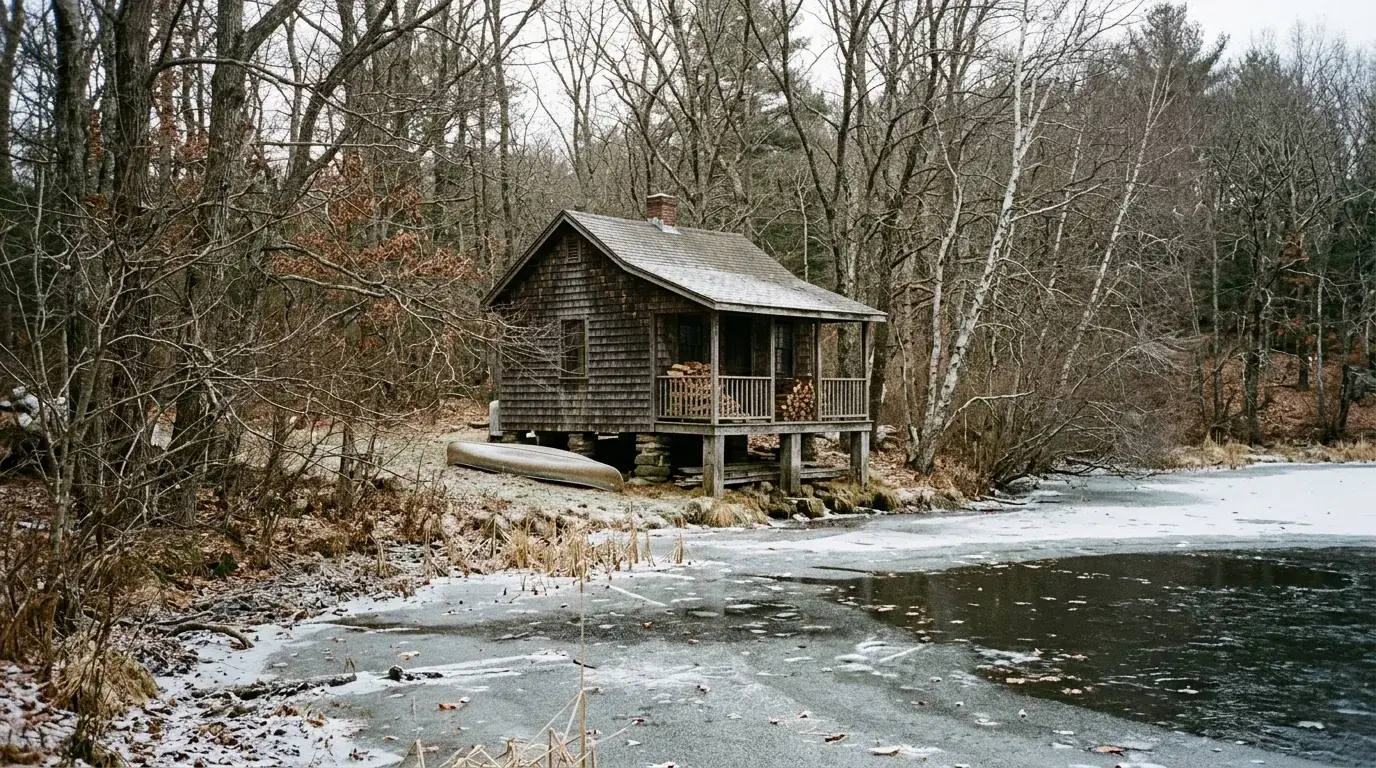
Lake communities and coastal areas across Massachusetts are full of cottages built for warm-weather use: single-wall construction, open floors on piers or vented crawl spaces, shallow roofs and plumbing that was drained every fall. As owners retire there or use them year-round, those cottages need a full upgrade.
The full envelope
| Area | Typical cottage condition | Year-round approach |
|---|---|---|
| Floor | Open to air on piers or vented crawl | Closed-cell spray foam under the floor, protected; or enclosed, insulated crawl |
| Walls | Uninsulated, sometimes single-wall | Open from inside and insulate, or add exterior insulation when re-siding |
| Roof | Shallow rafters, little or no insulation | Closed-cell foam or vented assembly with baffles |
| Windows and doors | Single-pane, leaky | Replace or add storms; weatherstrip |
Floors over open air
A floor on piers, with wind blowing underneath, is the hardest area to keep warm. Closed-cell spray foam sprayed on the underside of the subfloor air seals and insulates it, and pipes can be kept on the warm side. The foam should be protected from weather, animals and damage, and covered as required by code. Enclosing and insulating a crawl space is another option; see crawl space encapsulation.
Walls and roof
Single-wall cottages (boards with no stud cavity) may need framing added inside to hold insulation, or exterior insulation when the siding is replaced. Shallow rafters often call for closed-cell foam to fit enough R-value. See cathedral ceiling insulation.
Plumbing protection
- Keep supply lines inside the insulated envelope.
- Seal and insulate where pipes enter through the floor.
- Consider a whole-house shutoff and a monitored thermostat.
Heating
After the envelope is upgraded, a ductless heat pump is often the simplest, most efficient heat for a small cottage, and it provides cooling in summer. See mini split sizing.
Converting a seasonal home to year-round use can involve building, septic and conservation commission rules, especially near water. Check with your town before you start.
Seasonal vs. year-round: what changes
| Area | Seasonal use | Year-round use |
|---|---|---|
| Plumbing | Drained each fall | Protected inside the envelope |
| Heating | Space heaters or none | Reliable primary heat |
| Floors | Open to air | Insulated and sealed |
| Walls and roof | Often uninsulated | Insulated to practical levels |
| Windows | Single-pane, shutters | Insulated glass or storms |
| Ventilation | Open windows | Bath fans, kitchen hood |
Lake communities in Central Massachusetts
Many towns around Worcester have lake communities with cottages built decades ago. As owners winterize them, typical projects include floor foam, roof insulation, wall upgrades and ductless heat pumps.
Coastal cottages
Coastal cottages face wind and moisture. Closed-cell foam under floors and in roofs works well, but protect it from weather and follow floodplain rules where applicable.
Budget-wise phasing
- Floors and plumbing protection.
- Roof and attic.
- Walls (during siding or interior renovation).
- Windows and doors.
- Heat pump sized to the improved envelope.
Keep records for the future
Document what was insulated and how, with photos. If the cottage is sold, those records show it has been properly converted for year-round use.
Make your cottage year-round
BCI Group insulates cottages and seasonal homes across Massachusetts lake and coastal communities. Call (774) 278-8256 or request a free estimate.
Frequently asked questions
Can a summer cottage be made year-round?
Yes, with insulation in floors, walls and roof, air sealing, plumbing protection and heating, plus any required permits.
How do you insulate a cottage floor on piers?
Closed-cell spray foam under the subfloor is a common solution, protected and covered as required.
What heating works best for a small cottage?
After insulating, a ductless heat pump is often the most efficient option.
How do I keep cottage pipes from freezing?
Keep pipes inside the insulated envelope, seal floor penetrations and use monitored thermostats.
Do I need a permit to convert a seasonal home?
Often yes. Check with your building department, board of health and conservation commission.
Services mentioned in this article
Spray Foam Insulation near you in Massachusetts
BCI Group crews work in these communities every week. See local details for spray foam in your town: