Key takeaways
- Oil heating costs depend on fluctuating fuel prices; heat pumps depend on electric rates and efficiency.
- Heat pumps also provide air conditioning and remove the need for oil deliveries and tank maintenance.
- Many homes keep the oil system as backup at first, or replace it fully for whole-home rebates.
- Air sealing and insulation first make a heat pump smaller and cheaper to run.
Why so many homeowners are asking
Oil heat is common in Central Massachusetts, the hill towns and rural areas where natural gas lines do not reach. Oil prices swing from year to year, tanks age, and boilers eventually need replacement. Meanwhile, cold-climate heat pumps have improved, and Mass Save® offers rebates and 0% financing for qualifying systems.
Side by side
| Oil boiler or furnace | Cold-climate heat pump | |
|---|---|---|
| Fuel | Heating oil (delivered) | Electricity |
| Cost driver | Oil prices | Electric rates and system efficiency |
| Cooling | No (separate AC needed) | Yes |
| Maintenance | Annual cleaning, tank inspection | Filter cleaning, periodic service |
| Emissions at the house | Yes | None at the house |
| Rebates | Limited | Mass Save® rebates for qualifying systems |
Will a heat pump save money?
It depends on your oil price, electric rate, the heat pump's efficiency in your climate and your house's heat loss. In many Massachusetts homes switching from oil, a well-designed heat pump system lowers heating costs, and adds efficient air conditioning. The savings are larger when the house is sealed and insulated first.
Three ways to switch
- Partial: add ductless heat pumps for the main living areas and keep the oil system for backup and the coldest days.
- Whole-home with backup: the heat pump is the main system, and the boiler is kept but controlled to run rarely.
- Whole-home, oil removed: the heat pump handles everything, and the tank and boiler are removed.
Mass Save® incentives differ by approach; see heat pump rebates.
What about hot water?
Many oil boilers also make hot water. If the boiler is removed, you need a new water heater, often a heat pump water heater, which has its own rebates.
Do the shell first
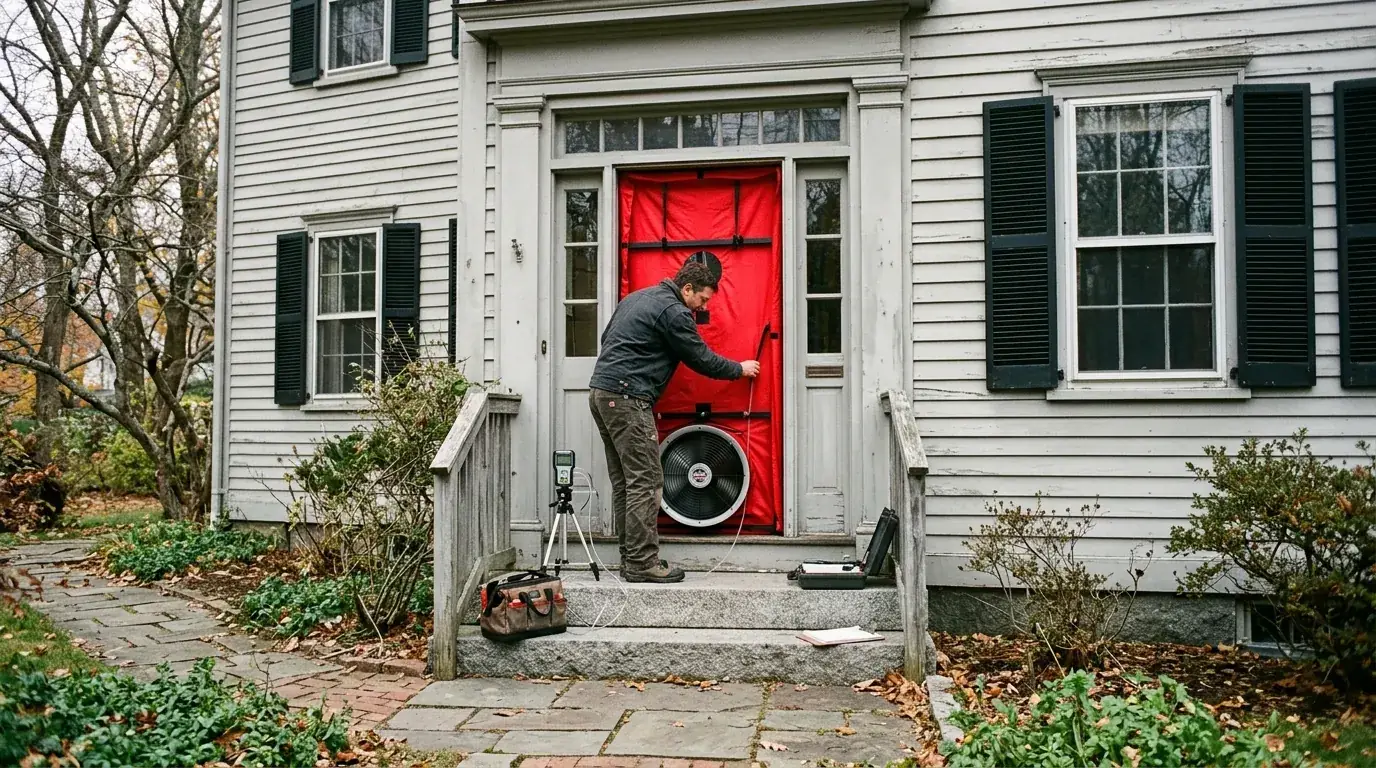
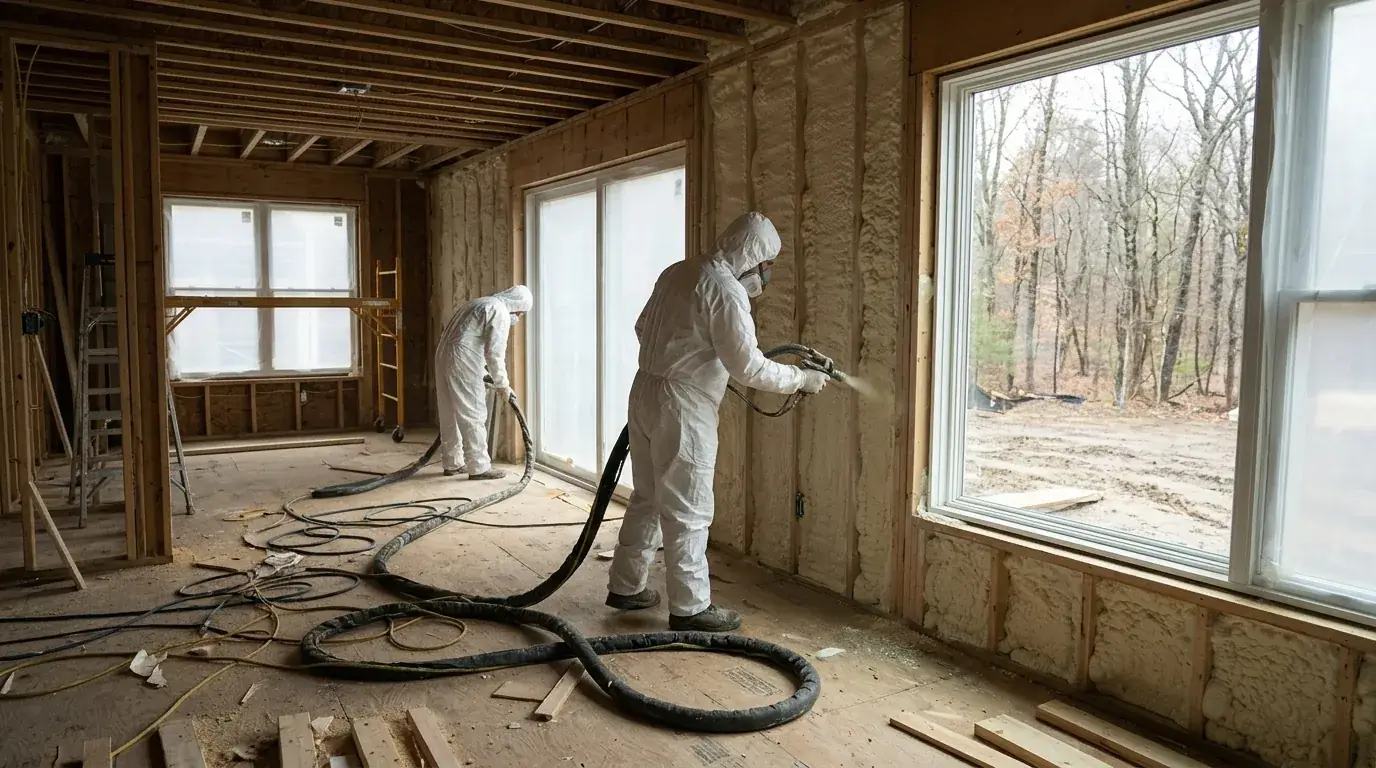
A drafty oil-heated house can need a large heat pump system. After air sealing and insulation, the same house may need much less capacity, which lowers both the installation price and the electric bills. Oil-heated homes in Mass Save® electric territory are generally eligible for weatherization incentives. See insulate before a heat pump.
Old tank? If your oil tank is near the end of its life, that is a good moment to plan a switch, before you invest in a new tank.
What to do with the oil tank
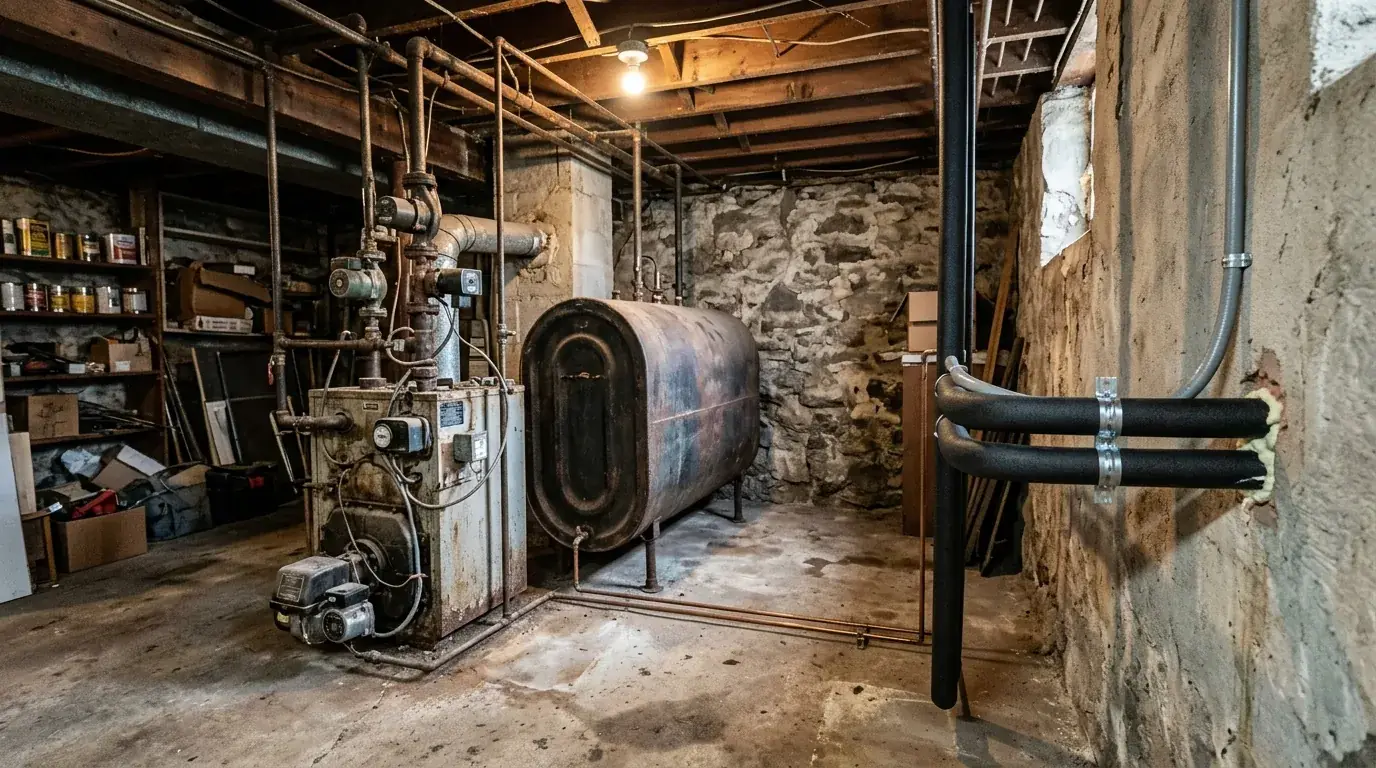
If you remove the oil system completely, the tank should be removed and disposed of properly, and any fill and vent pipes capped or removed. Basement tanks are often simpler to remove than buried tanks. Ask your installer or a tank removal company about the process and any local requirements.
A gradual path for oil homes
| Stage | Action |
|---|---|
| Now | Energy audit; air sealing and insulation |
| Next | Ductless heat pumps for main living areas; oil as backup |
| Later | Whole-home heat pump capacity; heat pump water heater |
| Final | Remove oil boiler and tank |
This lets you spread costs, learn how the heat pump performs in your home and keep a familiar backup in the meantime. Check rebate rules for each step.
Comfort differences
Oil boilers with radiators deliver hot surfaces and quick warm-up. Heat pumps deliver steady, moderate heat. Homeowners who switch often say the house feels more even once they stop large thermostat setbacks. Air sealing helps the steady heat feel comfortable.
Cooling as a bonus
Many oil-heated homes rely on window AC units in summer. A heat pump replaces them with quiet, efficient cooling and dehumidification, which is a major quality-of-life improvement during humid Massachusetts summers.
Reliability and service
Choose an installer that will service the system and is familiar with cold-climate installations. Good installation practices, like correct refrigerant charge, proper line sets and elevated outdoor units, matter as much as the brand.
Plan the switch
BCI Group helps homeowners across Central Massachusetts plan the full transition: energy audit, air sealing and insulation, then heat pumps with our HVAC partner. Call (774) 278-8256.
Frequently asked questions
Is a heat pump cheaper to run than oil?
In many Massachusetts homes, a well-designed cold-climate heat pump costs less to run than oil, especially after air sealing and insulation. It depends on fuel and electric prices.
Can I keep my oil boiler as backup?
Yes. Many homes keep it for the coldest days, but whole-home rebate rules may limit how it is used.
Will a heat pump heat my whole house?
A properly sized cold-climate system can, especially in a well-insulated home.
What happens to my hot water if I remove the boiler?
You will need a separate water heater, such as a heat pump water heater.
Are there incentives to switch from oil?
Mass Save® offers heat pump rebates and 0% HEAT Loan financing for qualifying projects.
Services mentioned in this article
HVAC & Heat Pumps near you in Massachusetts
BCI Group crews work in these communities every week. See local details for heat pumps in your town: