Key takeaways
- Mini split cost depends on the number of zones, the type of indoor units, line set length, electrical work and wall or ceiling access.
- Single-zone systems are the simplest; multi-zone systems add heads, piping and labor.
- In a drafty room, air sealing and insulation can shrink the mini split you need.
- Mass Save® rebates are paid per ton and require a contractor in the Heat Pump Installer Network.
A mini split is a ductless or short-duct heat pump that heats and cools individual rooms or zones. In Massachusetts, mini splits are the most common way to add efficient heat and air conditioning to homes with radiators or baseboard heat and no ducts. Prices vary widely, so this guide focuses on what drives mini split cost, where they fit best and how Mass Save® rebates work in 2027.
What a mini split system includes
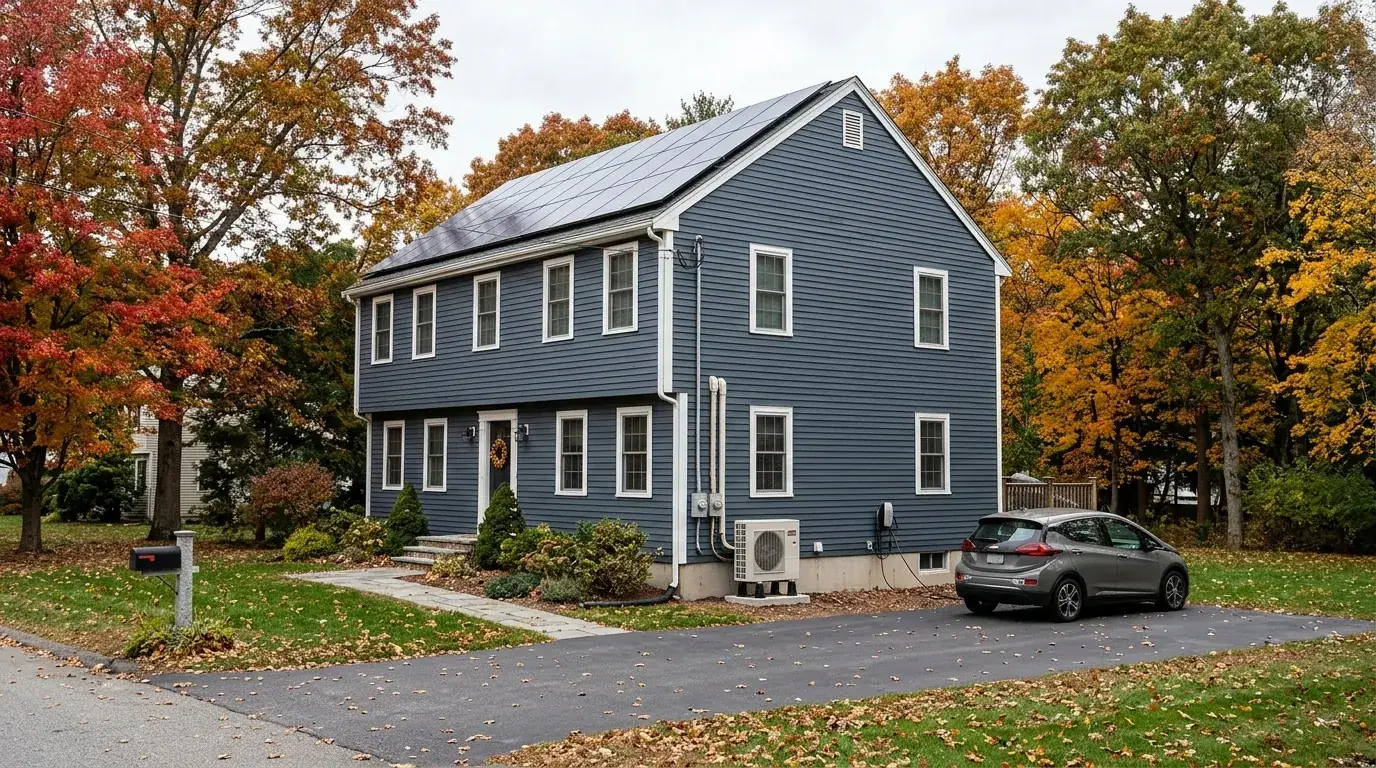
- An outdoor unit (compressor) on a pad, stand or wall bracket.
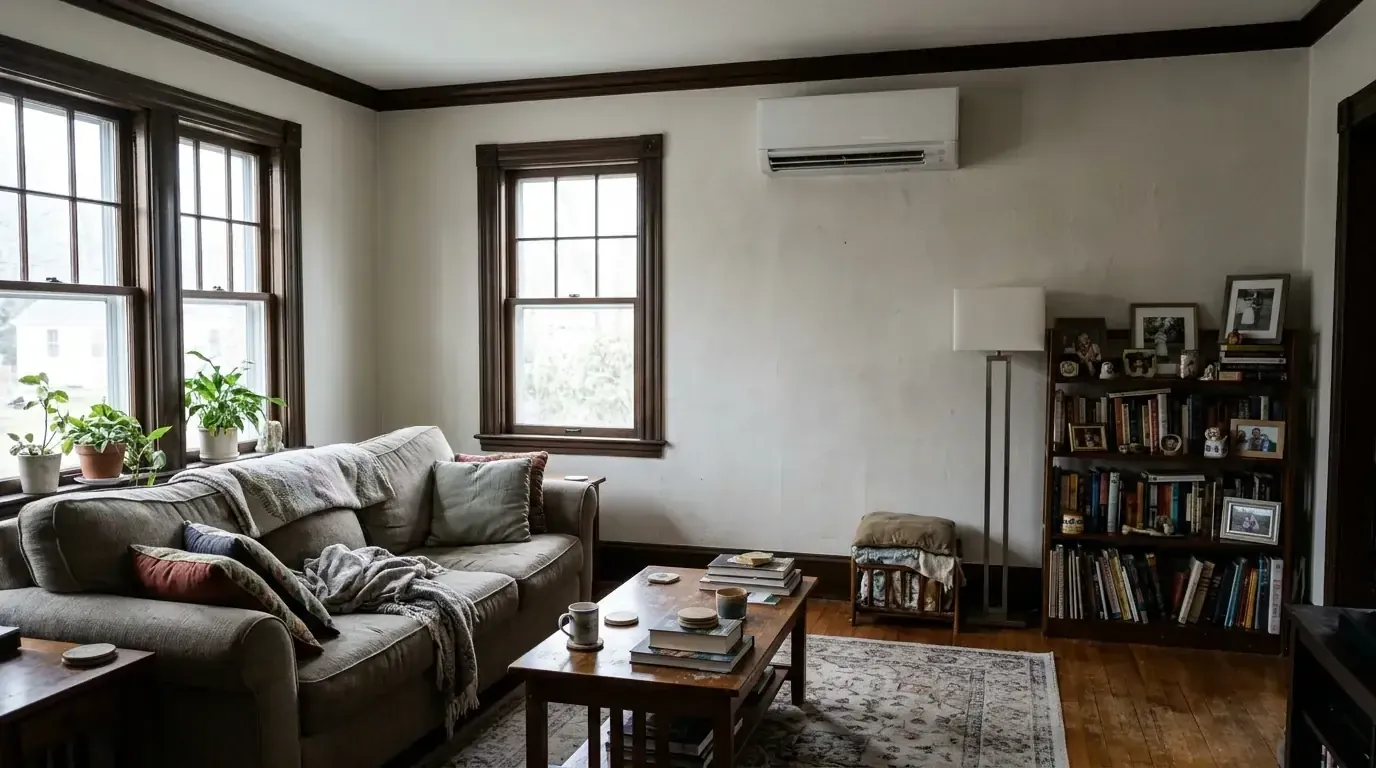
- One or more indoor units: wall-mounted heads, floor consoles, ceiling cassettes or small ducted air handlers.
- Line sets carrying refrigerant between the units, usually covered with line hide outside.
- Condensate drainage by gravity or with a small pump.
- A dedicated electrical circuit and disconnect.
- Controls: remotes, wall controls or Wi-Fi thermostats.
The factors that drive mini split cost
| Factor | Effect on cost |
|---|---|
| Number of zones | Each added head adds equipment, piping, wiring and labor. |
| Single-zone vs. multi-zone outdoor unit | Several single-zone systems can outperform one multi-zone unit in some homes; the right choice depends on the rooms. |
| Type of indoor unit | Ceiling cassettes and concealed ducted units cost more to install than wall heads. |
| Line set length and route | Long runs, multiple floors and finished walls add labor. |
| Cold-climate rating | Units that hold capacity at very low temperatures cost more but are the right choice for primary heat. |
| Electrical work | Panel space, new circuits or a service upgrade add cost. |
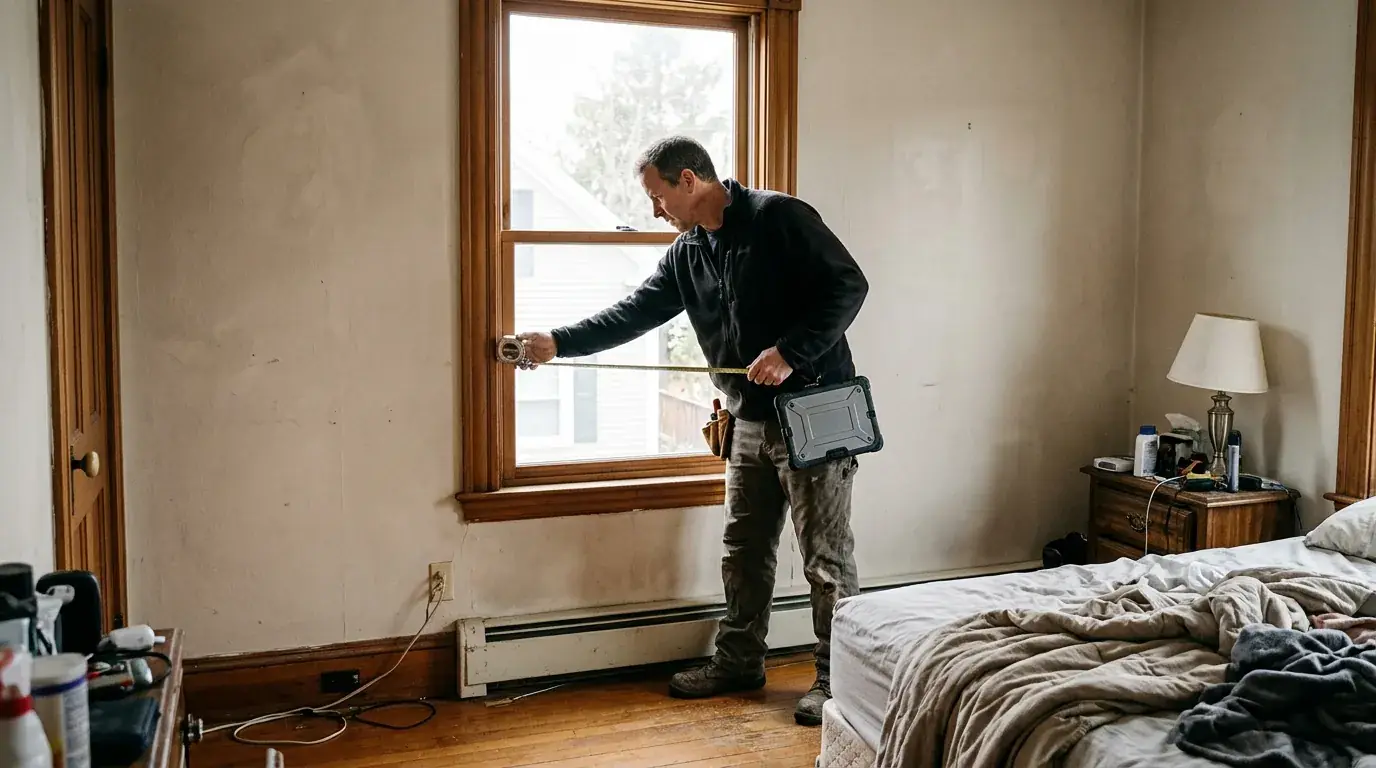
| Room heat loss | Drafty, poorly insulated rooms need more capacity. |
Where mini splits make the most sense
- Rooms that are always too hot or too cold, like a bonus room over the garage or a finished attic. See the cold room over the garage.
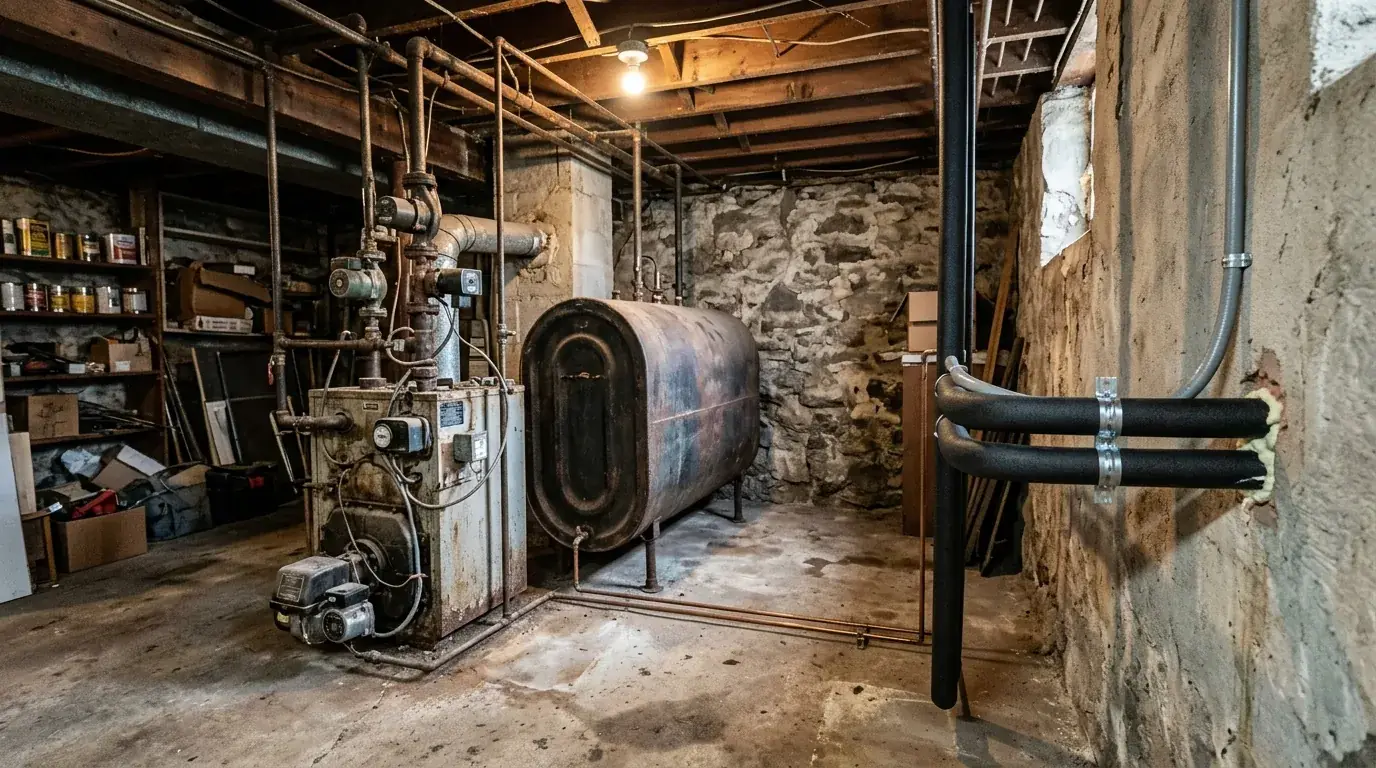
- Homes with boilers and no ducts, where mini splits add cooling and efficient shoulder-season heat.
- Additions and finished basements that the existing system cannot reach.
- Whole-home conversions in well-sealed homes with open layouts.
A bonus room with uninsulated knee walls can need far more capacity than a sealed, insulated one. Sealing and insulating first often means a smaller head, lower cost and much better comfort. See knee wall insulation.
Mass Save® rebates for mini splits in 2027
Mini splits are air-source heat pumps, so they fall under Mass Save®'s per-ton heat pump rebates. In 2026, Mass Save® lists partial-home rebates of $1,125 per ton, up to $8,500, and whole-home rebates of $2,650 per ton, up to $8,500. For whole-home projects installed on or after January 1, 2027, the rebate becomes $2,350 per ton, up to $7,500. The equipment must be on the qualified list, installed by a contractor in the Mass Save® Heat Pump Installer Network and use a lower-impact refrigerant.
See Mass Save® rebates in 2027 for the full picture, and the 0% HEAT Loan for financing.
Sizing matters more than brand
Oversized mini splits short-cycle, dehumidify poorly in summer and cost more up front. Undersized units struggle in January. Ask for a heat load calculation for each room or zone. Our mini split sizing guide explains how it is done.
How to compare mini split quotes
- Confirm the number and type of indoor units and where each one goes.
- Check the capacity at 5 degrees Fahrenheit, not just the nominal size.
- Ask how line sets and condensate are routed and covered.
- Confirm the electrical scope and whether the panel has room.
- Confirm the rebate path and who submits the paperwork.
- Compare warranties and who services the equipment.
Operating tips
Mini splits work best when left at a steady setpoint instead of being turned way down at night. Clean the filters every month or two during heavy use, keep the outdoor unit clear of snow and make sure ice cannot build up under it.
Get help with the whole project
BCI Group seals and insulates the rooms first and coordinates heat pump installation with our HVAC partner, so the equipment matches the space. See our HVAC and heat pump services or request a free estimate below.
Frequently asked questions
What affects mini split cost the most?
The number of zones, the type of indoor units, line set length and route, electrical work and the heat loss of the rooms being served.
Is a multi-zone mini split cheaper than several single-zone systems?
Not always. Multi-zone units share one outdoor unit, but single-zone systems can be more efficient and flexible. The right choice depends on the rooms and loads.
Does Mass Save offer rebates for mini splits?
Yes. Mini splits are air-source heat pumps and qualify for per-ton rebates when installed by a contractor in the Mass Save Heat Pump Installer Network with qualified equipment.
Can a mini split heat my whole house?
In well-sealed homes with open layouts, yes. Many homes use several heads or a mix of ductless and ducted units for whole-home heat.
Do mini splits work in Massachusetts winters?
Cold-climate models keep producing heat well below zero degrees Fahrenheit when sized correctly.
Services mentioned in this article
HVAC & Heat Pumps near you in Massachusetts
BCI Group crews work in these communities every week. See local details for heat pumps in your town: