Key takeaways
- Electrification means replacing fossil-fuel equipment with efficient electric equipment like heat pumps.
- Start with weatherization: it shrinks every system that comes after it.
- Plan heating, hot water, cooking and electrical capacity together.
- Mass Save® incentives and financing support many of the steps.
Why electrify?
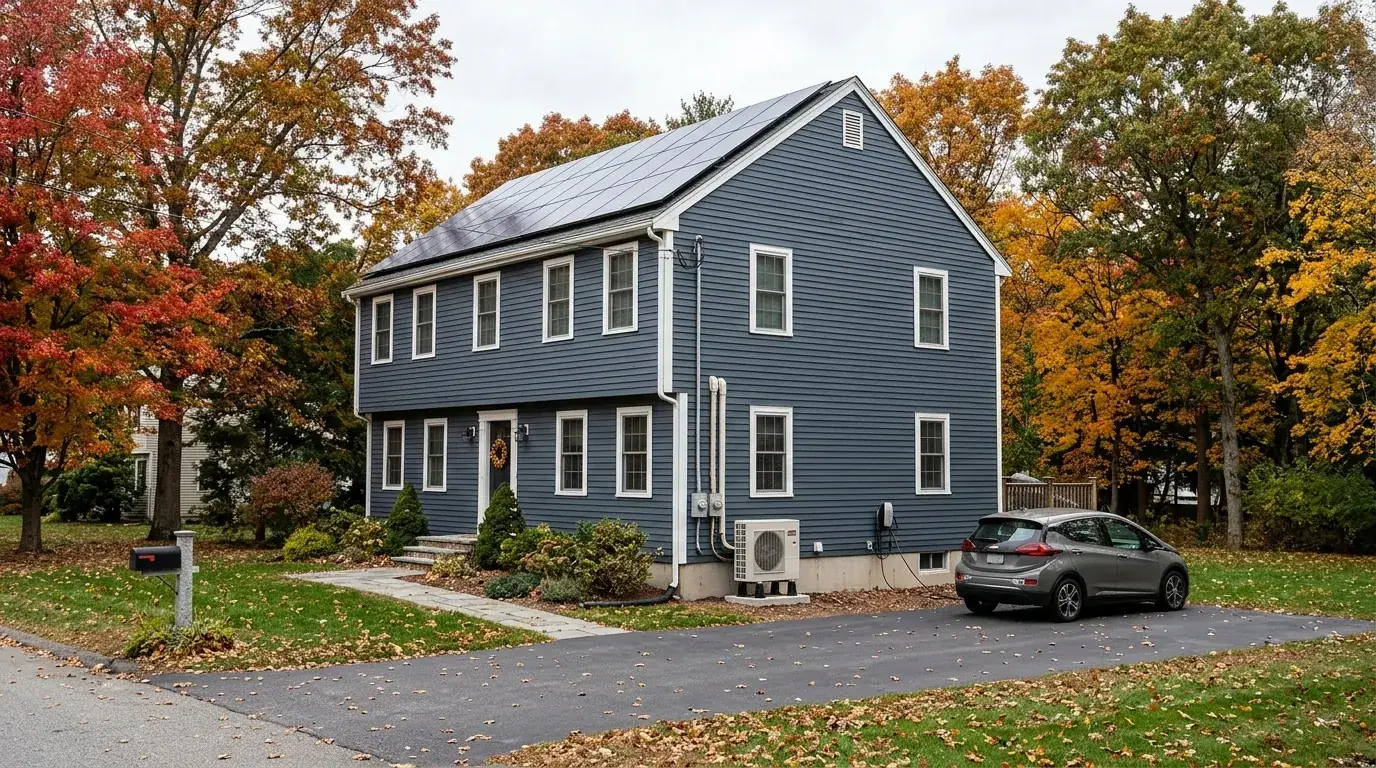
Massachusetts has set long-term climate goals, and building codes like the Specialized Opt-in Code push new homes toward electric heat. For existing homes, electrification can mean lower operating costs (especially from oil or propane), air conditioning from the same system, no fuel deliveries and no combustion appliances inside the house.
The roadmap
Step 1: Measure
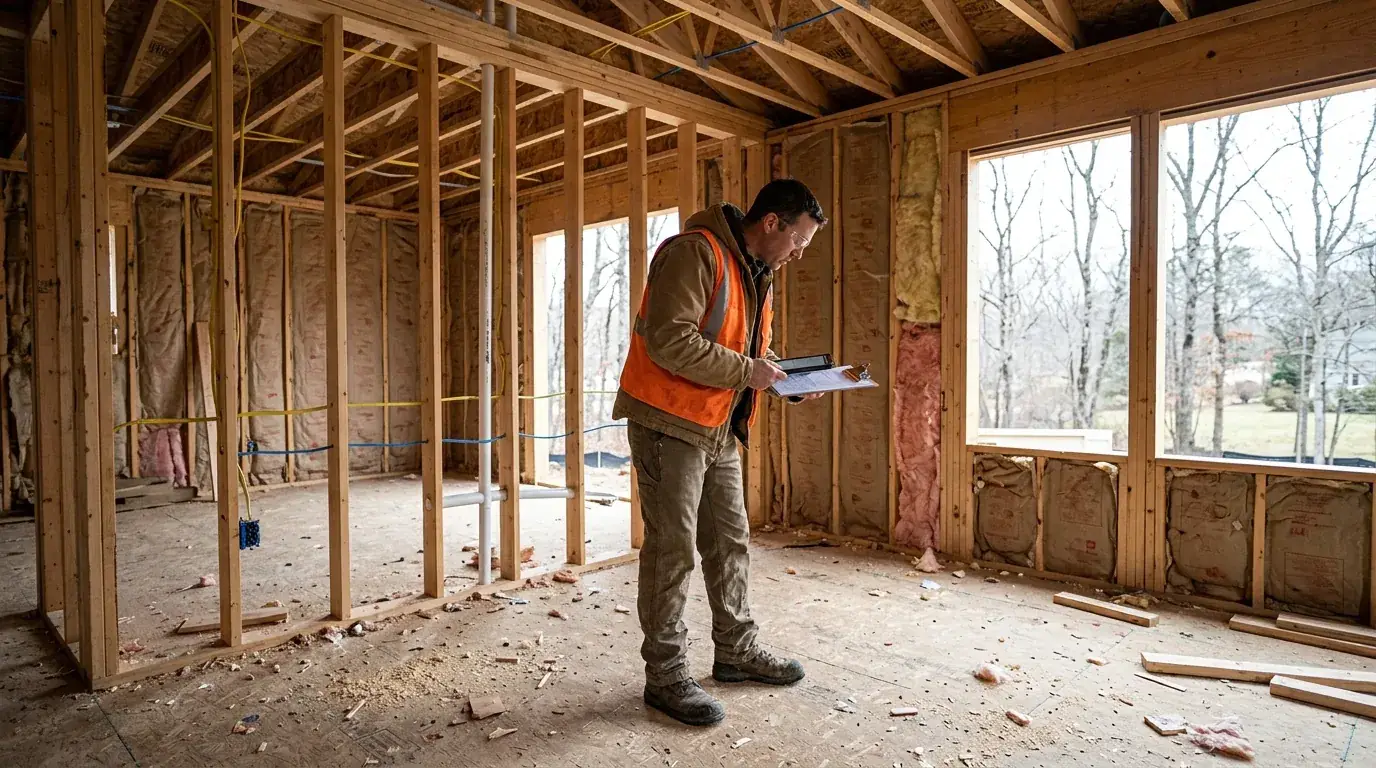
An energy audit with a blower door test shows how leaky the house is and where it loses heat.
Step 2: Weatherize
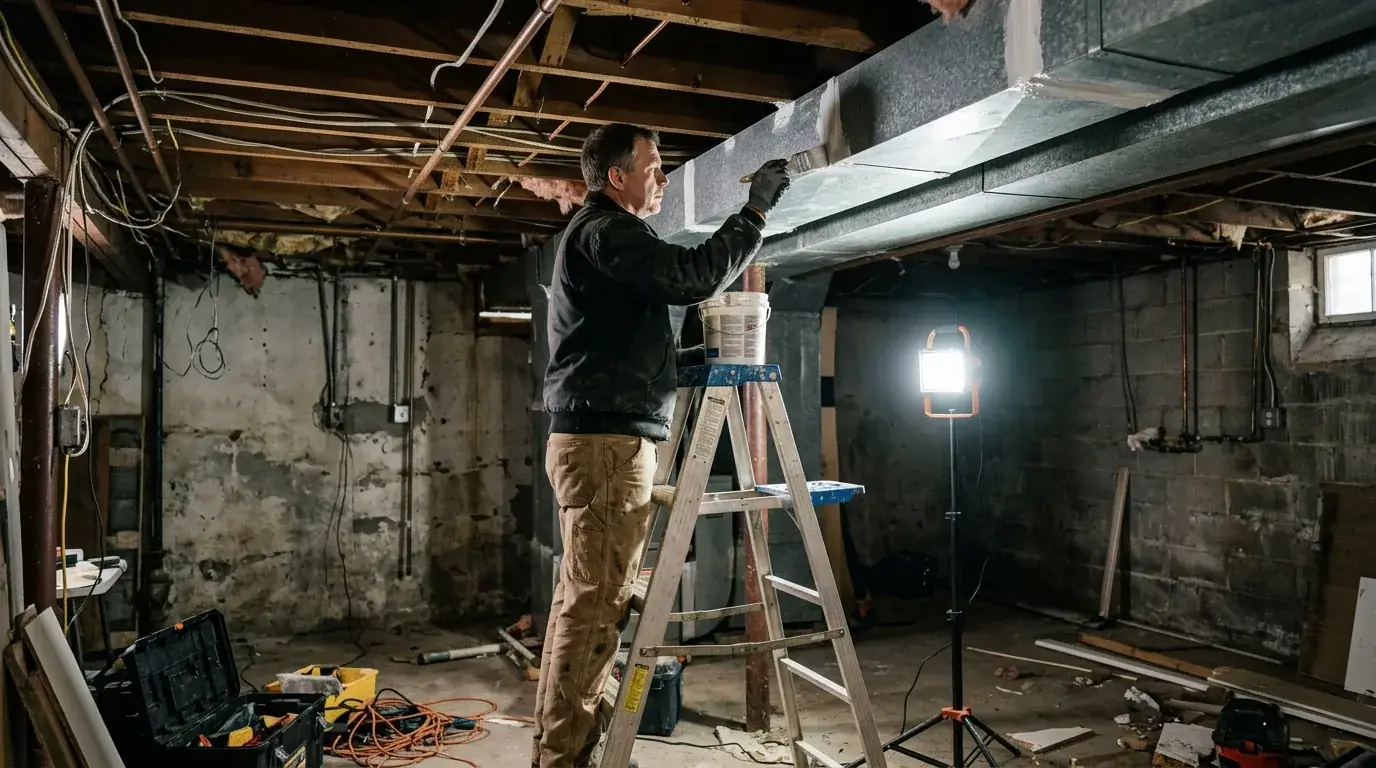
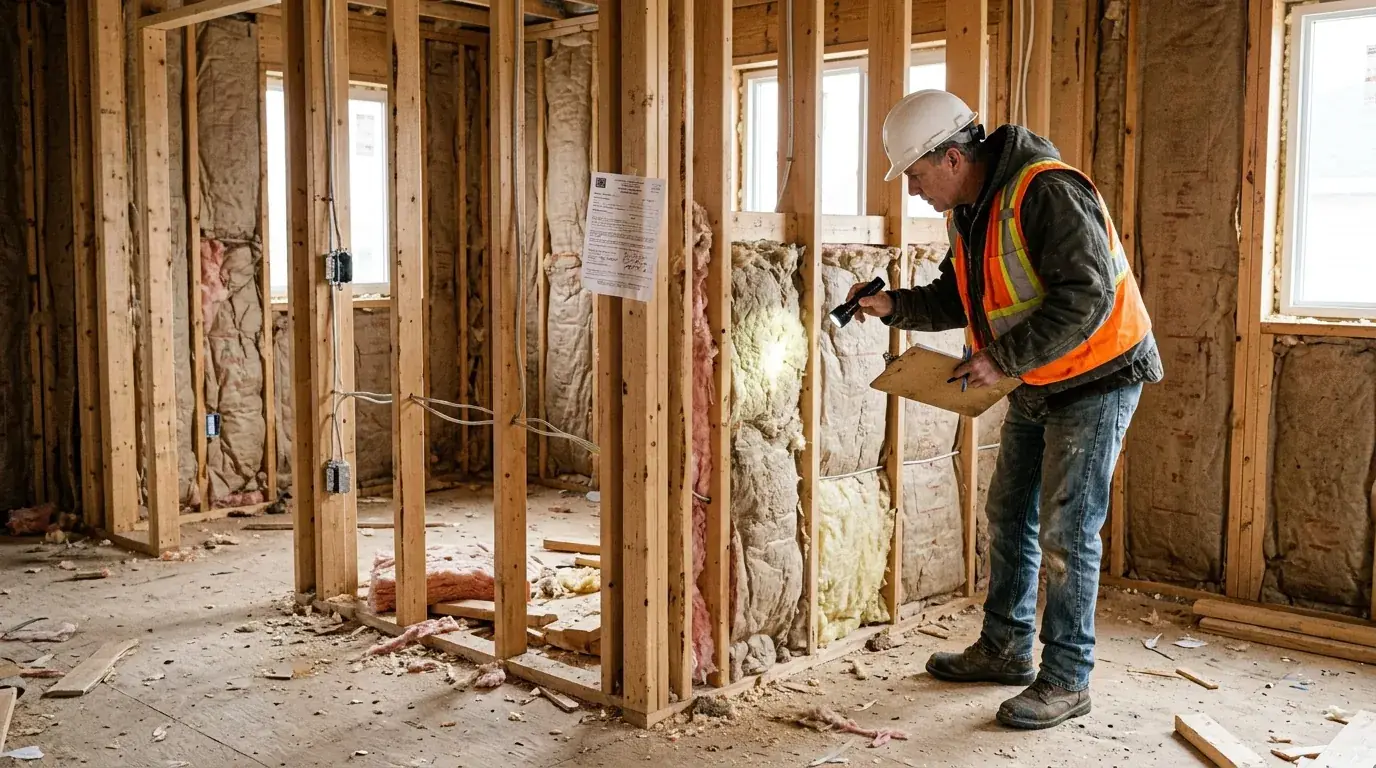
Air seal and insulate the attic, walls and basement. This is the foundation: it reduces the size of the heat pump, the electrical load and the operating cost. See insulate before a heat pump.
Step 3: Plan electrical capacity
Heat pumps, heat pump water heaters, induction cooking and EV chargers all add load. An electrician can evaluate your panel and service. Efficient equipment and load-management devices can sometimes avoid a service upgrade.
Step 4: Heat pumps for heating and cooling
Cold-climate ducted or ductless systems, sized after weatherization. See heat pumps in cold climates and mini split sizing.
Step 5: Heat pump water heater
Often installed in the basement, where it also helps dehumidify.
Step 6: Cooking, drying and the rest
Induction cooktops and heat pump dryers complete the picture.
Step 7: Solar (optional)
Rooftop solar can offset some or all of the added electricity use.
| Step | Typical incentives |
|---|---|
| Energy assessment | No cost through Mass Save® for eligible customers |
| Air sealing and insulation | No-cost air sealing and insulation rebates |
| Heat pumps | Mass Save® rebates for qualifying systems |
| Heat pump water heater | Rebates for qualifying units |
| Financing | 0% HEAT Loan for qualifying measures |
Incentives change, so confirm current terms. See Mass Save® program guide.
Many homeowners electrify over several years: weatherize now, heat pumps when the boiler ages, water heater when the old one fails. Planning the whole path avoids buying equipment you will replace soon.
Electrification and older homes
Massachusetts' older housing stock, from triple-deckers to colonials, can be electrified successfully. The homes that struggle are those that skipped weatherization. See heat pump vs. oil heat.
Electrical capacity questions to ask
- What is the size of my electrical service?
- How much spare capacity does my panel have?
- Can load management devices avoid a service upgrade?
- Which circuits will heat pumps, water heaters, induction ranges and EV chargers need?
An electrician can answer these and plan an efficient layout.
Common electrification sequences
| Starting point | Typical sequence |
|---|---|
| Oil boiler with radiators | Weatherize → ductless heat pumps → heat pump water heater → remove oil |
| Gas furnace with ducts | Weatherize → ducted heat pump (sealed ducts) → water heater → induction |
| Electric baseboard | Weatherize → ductless heat pumps → heat pump water heater |
| Propane | Weatherize → heat pumps → water heater → cooking |
Hot water options
| Option | Notes |
|---|---|
| Heat pump water heater | Very efficient; needs space and ventilation; cools and dries the space it is in |
| Electric resistance tank | Simple but less efficient |
| Combined heat pump systems | Some systems provide heating and hot water |
Cooking and indoor air
Gas stoves release combustion byproducts indoors. Induction cooktops eliminate those emissions and are fast and precise. If you keep a gas stove, use a range hood that vents outside.
Electrification in multifamily buildings
Two- and three-family homes can electrify unit by unit, which can also separate heating costs. Weatherizing the whole building first reduces the size of every unit's system.
The long view
Electrification is a journey. Weatherization first makes every step cheaper and more effective, and keeps options open as technology and incentives evolve.
Start with the shell
BCI Group handles the energy audit, air sealing and insulation, and coordinates with our HVAC partner 1A Home Energy on heat pumps. Call (774) 278-8256.
Frequently asked questions
What does it mean to electrify a home?
Replacing fossil-fuel heating, hot water and cooking equipment with efficient electric equipment like heat pumps.
Where should I start?
With an energy audit and weatherization, which reduce the size of every system that follows.
Will I need an electrical service upgrade?
Sometimes. An electrician can assess your panel; efficient equipment and load management can reduce the need.
Can an old house be fully electric?
Yes, especially after air sealing and insulation reduce the heating load.
Are there incentives for electrification?
Mass Save® offers incentives for weatherization, heat pumps and heat pump water heaters, plus 0% financing for qualifying measures.
Services mentioned in this article
HVAC & Heat Pumps near you in Massachusetts
BCI Group crews work in these communities every week. See local details for heat pumps in your town: